How to Overwinter Emblic
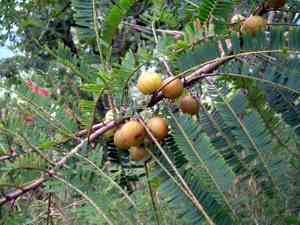
1
Emblic is vulnerable to cold temperatures and requires particular attention in colder seasons.
2
Optimal indoor temperatures for Emblic in winter are between 10°C and 25°C (50°F to 77°F).
3
Consistent trimming and appropriate soil care are vital for Emblic to survive winter well.
Understanding the Overwintering Needs of Emblic
Understanding the Overwintering Needs of Emblic
The Emblic, recognized for its tart, vitamin C-rich fruit, is a tropical species that flourishes in warm environments. When temperatures drop, especially in areas with harsh winters, proper care is vital for its survival. This article will guide you through the necessary steps to help your Emblic withstand the severe cold and emerge healthy and prepared for spring.
Why is Emblic Tender in Frost?
Cold Sensitivity Explained
The Emblic plant originates from tropical regions, making it inherently susceptible to frost. When exposed to low temperatures, the plant's cellular structure can be damaged, leading to wilting and eventual death. This vulnerability stems from its tropical background, where it does not naturally encounter frost or freezing conditions.
Optimal Temperature Range
For overwintering, Emblic plants should be maintained within a temperature range of 10°C to 25°C (50°F to 77°F). Temperatures below this range can be harmful, causing stress and potential frost damage. Sustaining this ideal temperature ensures the plant remains dormant without exposure to detrimental cold.
How to Prepare Emblic for Overwintering?
Pruning and Maintenance
Before relocating your Emblic plant indoors for the winter, perform thorough pruning. Remove any dead or diseased branches to prevent the spread of pathogens. Lightly prune to shape the plant, ensuring adequate airflow once it's inside. Regular upkeep helps maintain plant health and avoids additional growth stress during the low-light winter months.
Soil and Nutrient Management
Assess the soil condition before winter arrives. Ensure it drains well, as Emblic does not thrive in waterlogged soil. Incorporate compost or organic matter to enrich the soil with essential nutrients. Avoid heavy fertilization during winter as the plant's growth rate slows, making it less efficient at utilizing excess nutrients.
Best Practices for Indoor Overwintering of Emblic
Choosing the Right Location
Position your Emblic plant in a spot where it can receive ample indirect light. Avoid direct sunlight, as it can be too intense during winter. A location near a south-facing window is typically ideal. Ensure the area is free from cold drafts and temperature fluctuations.
Light, Temperature, and Humidity Control
The Emblic plant requires consistent light for several hours daily. If natural light is insufficient, consider using grow lights. Maintain indoor temperatures between 10°C to 25°C (50°F to 77°F). Humidity is crucial, so place a humidifier nearby or use pebble trays filled with water to maintain a moist environment.
Watering and Misting
Water the Emblic sparingly during winter, allowing the top layer of soil to dry out between waterings. Excessive watering can lead to root rot, a common issue for indoor plants. Misting the plant occasionally helps maintain humidity and keeps the foliage healthy.
Common Problems and Solutions During Overwintering
Dealing with Pests and Diseases
Indoor conditions can encourage pests like spider mites and aphids. Regularly inspect your Emblic for any signs of pests and treat promptly with insecticidal soap or neem oil. Keep the plant clean and remove any fallen leaves to prevent disease.
Identifying and Rectifying Overwatering Issues
Signs of overwatering include yellowing leaves and a wilted appearance. Ensure your Emblic is in well-draining soil and reduce watering frequency. If root rot is suspected, gently remove the plant from its pot, trim away affected roots, and repot in fresh, dry soil.



