How to Overwinter Red tip photinia
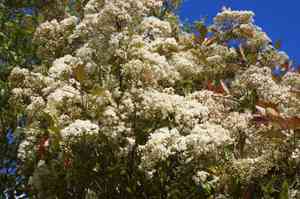
1
Red tip photinia is capable of withstanding temperatures down to -20°F (-28.9°C).
2
Applying a 2- to 3-inch (5-7.6 cm) layer of organic material can aid in insulating and safeguarding the root system during periods of cold weather.
3
Consistent checks for winter harm and fertilizing in early spring are vital for the plant's recovery.
Why is Overwintering Important for Red tip photinia?
Why is Overwintering Important for Red tip photinia?
Safeguarding your Red tip photinia through winter is crucial for its year-round health and vigor. Although this attractive evergreen shrub is resilient, proper cold-weather care helps it endure low temperatures and prevents frost damage. Successful winterization of Red tip photinia ensures that by spring, your plant will continue to flourish with its distinctive red-tipped new growth and shiny green leaves.
Preparing Red tip photinia for Winter
Pruning Before Winter
Trimming your Red tip photinia prior to winter can help manage its form and size, and lessen the risk of damage from snow and ice. Start by removing any dead or diseased branches, as these can harbor pests and illnesses. Cut back any excessively long branches to maintain the shrub's shape, but avoid extensive pruning this late in the season, as new growth might not have sufficient time to harden before the initial frost.
Mulching
Applying mulch is a vital step in getting your Red tip photinia ready for winter. Spread a 2- to 3-inch (5-7.6 cm) layer of organic material around the base of the shrub, extending to its drip line. This layer helps insulate the roots from extreme temperatures, retains moisture, and suppresses weeds. Use materials such as shredded bark, straw, or compost for optimal results.
Watering
While it might seem counterintuitive, hydrating your Red tip photinia before the ground freezes is beneficial. Adequate moisture helps the plant withstand the drying effects of cold winds. Ensure thorough watering in the weeks leading up to winter, providing moisture down to a depth of 12 inches (30 cm) to guarantee that the roots are well-hydrated.
Protecting Red tip photinia During Harsh Frosts
Using Frost Cloths or Burlap
For added protection during particularly severe frosts, consider utilizing frost cloths or burlap. These coverings create a barrier against freezing temperatures and can be easily draped over the shrub. Secure them at the base to ensure they remain in place, but allow enough space for air circulation to prevent mold and mildew.
Wind Protection
Wind can intensify the effects of cold weather, leading to dehydration and windburn. To shield your Red tip photinia from damaging winds, you can set up temporary barriers using materials like burlap screens or evergreen boughs. Alternatively, planting the shrub in a naturally protected spot, such as against a fence or building, can offer year-round wind defense.
Aftercare: Springtime Revival for Red tip photinia
Fertilizing for Recovery
Fertilizing your Red tip photinia in early spring can provide the necessary boost to recover from winter stress. Use a balanced, slow-release fertilizer and adhere to the manufacturer's instructions for application rates. This supports new growth and enhances the plant's overall vitality as it enters the growing season.



