How to Overwinter Pygmy date palm
1
The Pygmy date palm endures short periods of cold but flourishes optimally in temperatures ranging from 18-24°C (65-75°F).
2
Pygmy date palms require less water in colder months, which helps prevent root decay.
3
Maintain indoor humidity at approximately 50% to replicate the palm's native moist habitat.
What Temperatures Can Pygmy date palms Tolerate?
What Temperatures Can Pygmy date palms Tolerate?
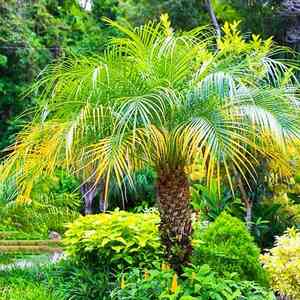
The Pygmy date palm is a tropical species that flourishes in warm environments. Ideally, this palm prefers temperatures ranging from 18-24°C (65-75°F). While it can endure brief cold spells, temperatures below 10°C (50°F) can cause harm, especially with prolonged exposure. As the plant is sensitive to frost, extended cold periods or freezing conditions can result in severe damage or even death.
Preparing Pygmy date palms for Overwintering
Inspect Your Plant for Pests and Diseases
Before bringing your Pygmy date palm indoors, it's essential to check it for pests and diseases. Mealybugs, spider mites, and scale insects are frequent culprits that can negatively impact the plant's health. Use a magnifying glass to carefully examine the leaves and stems. If you find any pests, treat them with insecticidal soap or neem oil before moving the plant inside.
Pruning and Cleaning the Plant
Pruning your Pygmy date palm helps maintain its size and vitality. Remove any dead or yellowing fronds, as these can attract pests. Gently clean the leaves with a damp cloth to remove dust and any hidden pests. This step also enhances the plant's ability to photosynthesize effectively while indoors.
Reducing Watering Frequency
During winter, Pygmy date palms enter a dormant phase and require less water. Overwatering can lead to root rot, so it's crucial to decrease irrigation frequency. Water the plant thoroughly when the top 2.5-5 cm (1-2 inches) of soil feels dry. Ensure you use well-draining soil and a pot with drainage holes.
Indoor Overwintering of Pygmy date palms
Choosing the Ideal Spot Indoors
Select a well-lit location in your home for your Pygmy date palm. A south-facing window is perfect as it provides ample indirect sunlight. Avoid placing the plant near drafty windows or heating vents, as sudden temperature changes can stress the plant.
Maintaining Proper Humidity
Tropical plants like the Pygmy date palm thrive in high humidity. Indoor air can be dry, especially in winter. To counteract this, use a humidifier to maintain humidity levels around 50%. Alternatively, place a water tray near the plant or mist the leaves regularly.
Providing Adequate Light and Temperature
Your Pygmy date palm still needs sufficient light even during winter. If natural light is inadequate, consider using grow lights as a supplement. Maintain a consistent indoor temperature between 18-24°C (65-75°F) to keep the plant comfortable.
Caring for Pygmy date palms During Winter
Monitoring Watering Needs
Regularly check the soil moisture and adjust your watering schedule based on the plant's requirements. During winter, the plant's growth slows, and it needs less water. Ensure the top 2.5-5 cm (1-2 inches) of soil is dry before watering again to prevent waterlogging and root rot.
Fertilizing Requirements
Fertilizing during winter should be minimal, as the plant is not actively growing. Use a balanced liquid fertilizer diluted to half strength once every two months. Avoid over-fertilizing, as it can lead to salt buildup and damage the plant's roots.
Addressing Common Winter Issues
Common winter problems include yellowing fronds and pest infestations. If fronds turn yellow, it could indicate overwatering or a nutrient imbalance. Ensure the plant receives proper light, and adjust watering and fertilizing accordingly. Regularly check for pests and treat them promptly to prevent infestations.
Transitioning Pygmy date palms Back Outdoors
When to Move Your Plant Outdoors
As the weather warms in spring, gradually move your Pygmy date palm back outdoors. Wait until nighttime temperatures consistently remain above 10°C (50°F). This prevents the plant from experiencing shock due to abrupt temperature changes.
Gradually Acclimating to Outdoor Conditions
Begin by placing the plant in a shaded, protected area for a few hours daily. Gradually increase its exposure to direct sunlight and outdoor conditions over 1-2 weeks. This acclimatization helps the palm adjust to the new environment without stress or damage.



