How to Overwinter Canary island date palm
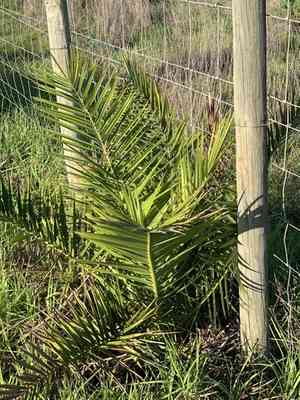
1
The Phoenix canariensis can withstand temperatures as low as -6°C (20°F), though it thrives in warmer environments.
2
Proper winter care can safeguard your Phoenix canariensis from cold injury, promoting vigorous growth come spring.
3
Sustaining sufficient moisture in the air is vital for Phoenix canariensis, particularly when brought inside.
What is Overwintering and Why is it Important for Canary island date palm?
What is Overwintering and Why is it Important for Canary island date palm?
Overwintering involves safeguarding your plants through the coldest months, ensuring their health and vitality for spring. For a moderately hardy species like the Canary island date palm, which tolerates some frost but prefers warmth, effective overwintering is vital. Without proper care, the palm can suffer cold damage, leading to stunted growth and potential leaf loss. This process guarantees that even with significant temperature drops, your palm remains secure, ready to flourish when warmer weather returns.
Step-by-Step Guide to Overwintering Canary island date palm
Preparing the Palm for Cold Weather
Before winter's chill arrives, begin by tidying the area around your Canary island date palm. Clear away any fallen leaves or debris to deter pests. Examine the palm for disease or pest indicators and treat as needed. Prune off any damaged or dead fronds to enhance air circulation and lessen the chance of fungal infections.
Optimal Placement and Shelter
If your palm is in a pot, consider relocating it to a protected spot, such as a garage or greenhouse, where it will be shielded from frost and wind. For palms planted in the ground, apply a thick layer of mulch around the base to insulate the roots. You can also use straw or horticultural fleece for extra cold protection. Ensure the area drains well to prevent waterlogged soil, which can cause root rot.
Temperature and Humidity Control
The Canary island date palm thrives in temperatures between 10°C to 24°C (50°F to 75°F). If keeping the palm indoors, aim to maintain this temperature range. Additionally, palms prefer humidity levels around 60%. Use a humidifier to keep indoor air moist, or place a water-filled tray near the plant to boost humidity in its immediate surroundings.
Wrapping and Insulation Methods
To further protect your outdoor Canary island date palm from freezing temperatures, wrap the trunk in burlap or horticultural fleece. For additional insulation, consider using old blankets or frost fabric. Cover the entire palm, including the crown, but ensure some airflow remains to prevent mold. Remember to remove the coverings during milder periods to allow the plant to breathe.
Ensuring Adequate Watering
While the Canary island date palm needs less water in winter, it's crucial not to let it completely dry out. Water the palm thoroughly but infrequently, ensuring the soil stays moist but not saturated. Check moisture levels by inserting your finger into the soil; if the top 5 cm (2 inches) feels dry, it's time to water. Reduce watering further if the palm is indoors, as indoor humidity typically decreases in winter.
Monitoring Your Canary island date palm During Winter
Regularly Checking for Signs of Stress
Throughout winter, make it a habit to regularly inspect your Canary island date palm for signs of stress. Look for yellowing or browning fronds, which can indicate watering issues or cold damage. Also, check for any signs of pests like spider mites or scale insects, and treat them promptly if found. Consistent monitoring helps detect problems early, allowing for quick intervention.
Adjusting Care as Needed
If you notice signs of stress, modify your care routine accordingly. This might involve altering your watering schedule, increasing humidity, or adjusting placement to reduce temperature fluctuations. Keep a close watch on weather changes and respond proactively to your palm's needs. Winter care is dynamic, requiring ongoing attention and adaptation.



