How to Overwinter Shrubby jerusalem sage
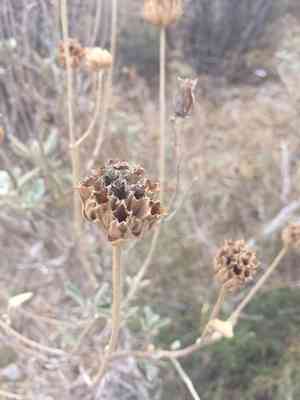
1
Shrubby jerusalem sage tolerates cold well, making it resistant to freezing conditions.
2
Appropriate mulching and trimming are crucial for the plant's winter survival.
3
Frequent inspections can detect early signs of stress, allowing for prompt action.
Why is Overwintering Important for Shrubby jerusalem sage?
Why is Overwintering Important for Shrubby jerusalem sage?
Overwintering is vital for Shrubby jerusalem sage, a plant native to the Mediterranean, to guarantee its survival through harsh winter conditions, especially in colder regions. While Shrubby jerusalem sage is tolerant to frost, providing proper care can help it flourish come spring. Appropriate overwintering methods safeguard the plantâs root system from freezing and thawing cycles, ensuring its long-term health and vigor. Furthermore, overwintering aids in preventing diseases and pests that could harm the plant during its dormant phase.
Preparing Shrubby jerusalem sage for Winter
Inspecting Plant Health
Before winter arrives, thoroughly examine your Shrubby jerusalem sage for any indications of disease or pest infestations. Look for discolored foliage, wilting, or unusual spots. Addressing these issues promptly can prevent further damage during winter, when the plant's recovery capacity is diminished. Remove any affected parts and consider using a suitable pesticide or fungicide if needed.
Pruning and Tidying Up
Pruning is a crucial step in getting your Shrubby jerusalem sage ready for winter. Trim back any dead or damaged branches to maintain a healthy structure. This not only helps the plant conserve energy but also prevents snow and ice from weighing down and breaking branches. Aim to prune the plant to about one-third of its size, focusing on creating a balanced shape that can withstand winter weather.
Proper Mulching Techniques
Mulching is an essential step in safeguarding the roots of your Shrubby jerusalem sage from freezing temperatures. Apply a 5-8 cm (2-3 inches) layer of organic mulch, such as bark or straw, around the plant's base. This mulch layer acts as an insulating blanket, maintaining a more stable soil temperature and reducing moisture loss. Ensure the mulch does not directly touch the stems to prevent rot.
How to Protect Shrubby jerusalem sage from Frost?
Using Frost Cloths and Covers
Frost cloths and covers provide an additional layer of protection for your Shrubby jerusalem sage during severe frosts. Use breathable materials like horticultural fleece to cover the plant, allowing moisture to escape while retaining warmth. Ensure the cover extends to the ground to trap soil heat, and secure it firmly to prevent it from blowing away in strong winds.
Positioning for Optimal Protection
The placement of your Shrubby jerusalem sage plays a critical role in its winter survival. If you have potted plants, consider moving them closer to the house or another structure that can offer some windbreak. For in-ground plants, planting them on a south-facing slope can help them receive more sunlight and warmth during the colder months. Avoid low-lying areas where cold air might settle and increase the risk of frost damage.
Watering Tips During Winter
Adjusting Watering Frequency
Watering requirements for your Shrubby jerusalem sage will significantly decrease during winter. It is crucial to modify your watering schedule to prevent overwatering, which can lead to root rot. Water the plant sparingly, allowing the top 2-3 cm (1 inch) of soil to dry out between watering sessions. This helps ensure the roots are not sitting in waterlogged soil.
Avoiding Overwatering Risks
One of the most common errors in winter plant care is excessive watering. Monitor the soil moisture regularly and only water when absolutely necessary. If the plant is in a pot, ensure it has good drainage to prevent water from stagnating. Overwatering can be more detrimental during winter because cooler temperatures slow down the plantâs metabolism, reducing its water usage.
Monitoring Shrubby jerusalem sage Throughout Winter
Regular Health Checks
During winter, make it a habit to check on your Shrubby jerusalem sage regularly. Look for any signs of stress, such as wilting, discoloration, or unusual growth patterns. Regular checks allow you to catch potential problems early and take corrective action. This proactive approach ensures the plant remains healthy and can spring back to life when warmer weather returns.
Identifying Signs of Stress
Understanding the signs of stress in your Shrubby jerusalem sage can help you intervene before itâs too late. Indicators of stress include yellowing leaves, sagging branches, and poor growth. Address these issues by adjusting your care routine, whether itâs modifying the watering schedule, adjusting mulch depth, or providing additional protection from frost. Early intervention can make a significant difference in the plantâs health and longevity.



