How to Overwinter Heartleaf philodendron
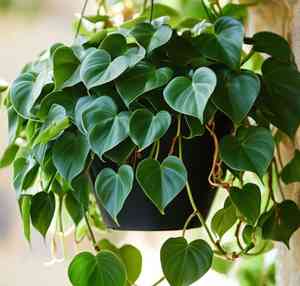
1
Heartleaf philodendron flourishes in temperatures ranging from 18-24°C (65-75°F).
2
Confirm the potting mix allows for good drainage to avoid root decay.
3
Lightly spray the foliage often to sustain ideal moisture in the air.
The Importance of Overwintering Heartleaf philodendron
The Importance of Overwintering Heartleaf philodendron
Protecting your Heartleaf philodendron during winter is vital for its health and long-term survival. As a delicate plant, it cannot endure frost and cold temperatures, typically below 10°C (50°F). Bringing it indoors for winter provides a controlled environment, shielding it from harsh winter conditions. By properly overwintering, you can enjoy your Heartleaf philodendron's vibrant green foliage all year.
Preparing Heartleaf philodendron for Indoor Winter Care
Plant Inspection and Cleaning
Before moving your Heartleaf philodendron indoors, it's crucial to thoroughly check for any pests or diseases. Examine the undersides of leaves and around the stem for signs of infestation. Gently clean the leaves with soapy water to remove dust or pests. This step prevents introducing unwanted organisms into your home.
Selecting the Appropriate Pot and Soil
Choose a pot with sufficient drainage holes to prevent water from accumulating. A well-draining soil mix, such as one containing peat, perlite, and a small amount of sand, is ideal for Heartleaf philodendron. This blend helps maintain proper moisture levels while allowing excess water to drain, reducing the risk of root rot.
Optimal Indoor Conditions for Heartleaf philodendron During Winter
Light Requirements
Heartleaf philodendron thrives in moderate to bright indirect light. Position the plant near a north or east-facing window where it can receive ample light without direct sun exposure, which can scorch its leaves. If natural light is insufficient, consider using a grow light for 10-12 hours daily.
Temperature and Humidity
Maintaining an indoor temperature between 18-24°C (65-75°F) is optimal. Humidity levels should be kept high, around 60-70%. Using a humidifier or placing a tray with water and pebbles near the plant can help increase humidity. Alternatively, regular misting of the leaves can also be beneficial.
Watering Needs
During winter, the watering requirements of Heartleaf philodendron decrease. Water the plant only when the top 2-3 cm (1 inch) of soil feels dry to the touch. It's important to avoid overwatering, as the plant's growth rate slows in winter, making it more susceptible to root rot.
When to Return Heartleaf philodendron Outdoors
Gradual Acclimatization
Once winter ends, it's essential to gradually accustom your Heartleaf philodendron to outdoor conditions. Begin by placing the plant outdoors in a shaded area for a few hours daily, progressively increasing exposure time over one to two weeks. This slow transition helps the plant adjust to changes in light and temperature without experiencing shock.
Optimal Transition Period
The best time to move your Heartleaf philodendron back outdoors is after the last frost, when nighttime temperatures consistently remain above 10°C (50°F). This timing ensures the plant avoids sudden cold snaps and can flourish in the warmer outdoor environment.



