How to Overwinter Aphrodite's phalaenopsis
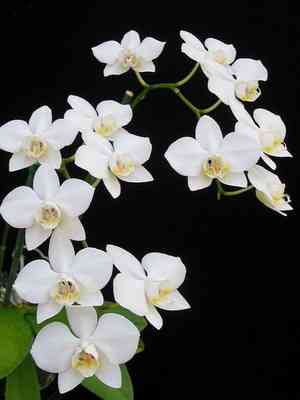
1
Keep temperatures within the range of 18°C to 27°C (65°F to 80°F) for best development.
2
Maintain humidity levels for Aphrodite's phalaenopsis at approximately 50%-70%.
3
Excessive watering may cause root decay, thus allow the growing medium to dry somewhat between irrigations.
What is Overwintering and Why is it Important for Aphrodite's phalaenopsis?
What is Overwintering and Why is it Important for Aphrodite's phalaenopsis?
Overwintering involves safeguarding plants through cold winter months to ensure their survival and ongoing vitality. For Aphrodite's phalaenopsis, a plant sensitive to frost, this procedure is vital. As an orchid renowned for its beautiful, long-lasting flowers, Aphrodite's phalaenopsis thrives in warm, moist conditions. Given that winter conditions can be harsh, especially where temperatures drop below freezing, providing a suitable indoor environment is essential to keep these orchids healthy and ready to bloom in spring.
Ideal Indoor Conditions for Aphrodite's phalaenopsis
Temperature: Keeping it Warm
For Aphrodite's phalaenopsis, maintaining a warm temperature is crucial. Ideally, your indoor setting should remain between 18°C to 27°C (65°F to 80°F). Avoid placing the orchid near drafts, heating vents, or cold windows, as sudden temperature changes can stress the plant.
Humidity: Maintaining Optimal Levels
Aphrodite's phalaenopsis prefers a moist atmosphere, quite different from the dry conditions typical in homes during winter. Aim for humidity levels around 50%-70%. Utilizing a humidity tray or a room humidifier can help sustain these levels. Grouping plants together can also naturally boost humidity.
Lighting: Providing Adequate Light
Orchids, including Aphrodite's phalaenopsis, need bright but indirect illumination. Ensure they receive approximately 12-16 hours of light daily, mimicking their natural tropical habitat. During shorter winter days, supplementing with artificial grow lights can be beneficial. Avoid direct sunlight, which can scorch the leaves.
Watering Needs of Aphrodite's phalaenopsis During Winter
How Often to Water
During winter, Aphrodite's phalaenopsis should be watered less frequently than in the active growth period. Typically, irrigating every 10-14 days is sufficient. Ensure the potting medium dries out almost completely between waterings to prevent root rot and other issues.
Signs of Overwatering and Underwatering
Excessive watering is a common issue and can lead to root decay. Always check the potting medium before watering; it should be dry but not overly parched. Indications of overwatering include yellowing foliage and soft roots. Insufficient watering, conversely, can cause shriveled roots and drooping leaves. Adjust your watering schedule accordingly to maintain equilibrium.
Feeding and Nutrition Tips for Aphrodite's phalaenopsis
Winter Fertilization Routine
During winter, Aphrodite's phalaenopsis growth slows, so they require less nourishment compared to the growing season. Reduce fertilization to once a month using a balanced, water-soluble fertilizer diluted to quarter strength to prevent nutrient accumulation. Over-fertilizing can harm the plant, leading to salt buildup in the potting medium.
Choosing the Right Fertilizer
Select a balanced fertilizer with an equal blend of nitrogen, phosphorus, and potassium (e.g., 10-10-10). Using a fertilizer specifically formulated for orchids ensures you provide the correct nutrients without overwhelming the plant. Always mix the fertilizer to the recommended dilute strength and avoid contact with the orchid's leaves or roots to prevent burns.
Common Problems and How to Address Them
Dealing with Pests and Diseases
Winter can still bring about pest issues such as spider mites or aphids. Regularly inspect your Aphrodite's phalaenopsis for any signs of pests or diseases. Use a mild insecticidal soap or neem oil to treat infestations, ensuring the plant is not stressed further. Maintaining cleanliness and good air circulation can help prevent pest problems.
Managing Root Rot
Root rot is primarily caused by excessive watering. If you suspect root rot, remove the orchid from its pot and examine the roots. Trim away any rotted, mushy roots with sterilized scissors. Repot the orchid in fresh, well-draining medium and adjust your watering practices to prevent a recurrence.
Addressing Leaf Drop
Leaf drop can occur due to stress, improper watering, or temperature fluctuations. Ensure consistent care by maintaining appropriate temperature, humidity, and watering schedules. Yellowing before leaf drop can indicate overwatering, while dry, crispy leaves may point to underwatering or low humidity.



