How to Overwinter Baby rubber plant
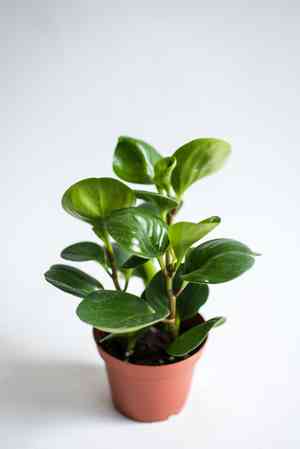
1
The Peperomia obtusifolia is vulnerable to cold temperatures and needs to be moved inside during the colder months.
2
Provide sufficient illumination and prevent excessive watering to maintain the well-being of your Peperomia obtusifolia.
3
Slowly acclimate your Peperomia obtusifolia to outdoor conditions in spring to avert stress.
Why Overwintering is Important for Your Baby rubber plant
Why Overwintering is Important for Your Baby rubber plant
The Baby rubber plant (Peperomia obtusifolia) is a charming indoor plant known for its thick, glossy leaves. However, it is frost-tender, meaning it cannot withstand freezing temperatures. Overwintering your plant indoors is essential to protect it from the cold and ensure its survival through the winter months. Proper overwintering techniques will keep your plant healthy and thriving, ready to be transitioned back outdoors in the spring.
How to Prepare Baby rubber plant for Winter Indoors
Inspecting for Pests and Diseases
Before bringing your Baby rubber plant indoors, itâs crucial to inspect it thoroughly for pests and diseases. Aphids, spider mites, and mealybugs can be a problem. Use insecticidal soap or neem oil to treat any infestations. Removing pests ensures they donât spread to other indoor plants.
Pruning and Cleaning the Plant
Trim any dead or damaged leaves to keep the plant healthy. This not only improves its appearance but also helps the plant conserve energy during the winter. Wipe down the leaves with a damp cloth to remove dust, which can inhibit photosynthesis.
Choosing the Right Pot and Soil
Repot your Baby rubber plant into a container with good drainage if its current pot is too small or lacks drainage holes. Use a well-draining soil mix, such as a blend of potting soil and perlite, to prevent water from pooling around the roots, which can lead to rot.
Ideal Indoor Conditions for Overwintering Baby rubber plant
Temperature and Humidity
Maintain temperatures between 18-24°C (65-75°F) for optimal growth. The Baby rubber plant also enjoys humidity levels of 40-50%, so consider using a humidifier during dry winter months, or place a tray of water near the plant to increase moisture in the air.
Lighting Requirements
Place your Baby rubber plant in a spot with bright, indirect light. Direct sunlight can scorch the leaves, but too little light will cause the plant to become leggy. If your home doesnât have enough natural light, you can use a grow light to supplement.
Watering and Feeding
Water your Baby rubber plant when the top 2-3 cm (1 inch) of soil feels dry. Be cautious not to overwater, as this can lead to root rot. During the winter, the plantâs growth slows, so you can cut back on fertilizing. A balanced liquid fertilizer diluted to half-strength once a month is sufficient.
Common Problems and Solutions During Overwintering of Baby rubber plant
Dealing with Yellowing Leaves
Yellow leaves can indicate overwatering. Check that the soil and pot have good drainage and adjust your watering schedule. If the problem persists, it could also be a sign of nutrient deficiency, so consider applying a balanced, diluted fertilizer.
Preventing Root Rot
To prevent root rot, ensure your Baby rubber plant is in well-draining soil and a pot with drainage holes. Water sparingly during winter, allowing the soil to dry out slightly between waterings. Remove any affected roots if rot occurs.
Managing Pests Indoors
Indoor environments can still host pests. Regularly inspect your Baby rubber plant and use neem oil or insecticidal soap if you notice any signs of infestation. Keep the plant clean and free of debris, which can attract pests.
When and How to Transition Baby rubber plant Back Outdoors
Gradual Acclimatization
In spring, when temperatures consistently stay above 15°C (59°F), start acclimatizing your Baby rubber plant to the outdoor environment. Begin by placing it in a shaded area for a few hours each day and gradually increase the time and intensity of light over a week or two.
Final Steps for Outdoor Transition
Check your local frost dates to ensure itâs safe to leave your plant outdoors overnight. Once acclimatized, move it to its permanent outdoor spot. Choose a location that offers dappled sunlight, avoiding harsh midday sun.



