How to Overwinter Emerald ripple peperomia
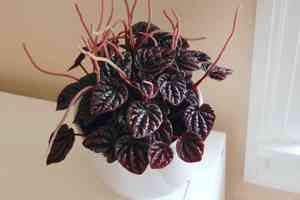
1
Emerald ripple peperomia flourishes in temperatures ranging from 18-24°C (65-75°F).
2
Keep humidity levels exceeding 50% for robust foliage development in colder months.
3
Lessen watering frequency during winter to avoid root decay.
Why Is Overwintering Important for Emerald ripple peperomia?
Why Is Overwintering Important for Emerald ripple peperomia?
Protecting Emerald ripple peperomia during winter is vital because it's sensitive to cold. Exposure to low temperatures can lead to significant damage, including leaf loss and root decay, and may even kill the plant. By moving this tropical houseplant indoors and providing ideal conditions, you guarantee its survival and year-round vitality.
Preparing Emerald ripple peperomia for Overwintering
Assessing Plant Health
Before bringing your Emerald ripple peperomia inside for winter, evaluate its overall condition. Look for indications of pests, diseases, or stress, such as discolored foliage or stunted development. A healthy plant will exhibit vibrant, green leaves and consistent growth, making the overwintering process smoother and more effective.
Cleaning and Pruning
Cleaning and trimming your plant is essential before moving it indoors. Remove any dead or yellowed leaves, as these can attract unwanted pests. Additionally, gently wipe the leaves with a damp cloth to remove dust and debris. This step helps optimize photosynthesis, ensuring your plant remains healthy even with reduced winter light.
Repotting If Necessary
If your Emerald ripple peperomia has outgrown its container or if the soil appears depleted, consider transplanting it. Use a potting mix that drains well to prevent waterlogging. Repotting in late summer or early autumn allows the plant time to adjust before winter arrives.
Ideal Indoor Conditions for Emerald ripple peperomia During Winter
Optimal Temperature Range
To keep your Emerald ripple peperomia thriving during winter, maintain indoor temperatures between 18-24°C (65-75°F). Avoid placing the plant near drafts, heaters, or cold windows to prevent temperature shock.
Humidity Levels
Humidity is crucial during winter, when indoor air tends to be dry. Keep humidity levels at or above 50%. You can achieve this by using a humidifier, placing a water tray near the plant, or regularly misting the leaves.
Lighting Needs
Emerald ripple peperomia prefers bright, indirect illumination. During winter, itâs important to ensure the plant receives sufficient light. Position it near a north or east-facing window or use artificial grow lights to supplement natural light.
Watering and Feeding Emerald ripple peperomia in Winter
Adjusting Watering Frequency
In winter, decrease watering frequency as the plant's growth slows. Water when the top 2.5-5 cm (1-2 inches) of soil feels dry to the touch, typically every 2-3 weeks. Ensure the pot has good drainage to avoid waterlogging and root rot.
Winter Feeding Guidelines
Feeding your Emerald ripple peperomia during winter should be minimal. Reduce fertilization to once a month or less, using a diluted, balanced fertilizer. Over-fertilizing can cause salt buildup in the soil, which may harm the plant.
Common Issues When Overwintering Emerald ripple peperomia
Pest Control
Pests like spider mites and aphids can be problematic in winter. Regularly inspect the plant and use insecticidal soap or neem oil if pests are detected. Implementing preventative measures, such as maintaining high humidity and clean leaves, helps deter infestations.
Preventing Leaf Drop
Leaf drop can occur due to sudden changes in light, temperature, or humidity. Gradually acclimate your Emerald ripple peperomia to indoor conditions, and avoid placing it in direct sunlight or near heating vents. Consistency is key to preventing leaf drop.
Managing Root Rot
Root rot is a common issue due to overwatering. To prevent this, always check soil moisture before watering and ensure the potting mix is well-draining. If root rot is suspected, repot the plant in fresh, dry soil, removing any affected roots.



