How to Overwinter Watermelon peperomia
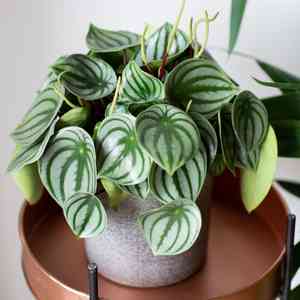
1
Watermelon peperomia is a delicate plant unable to endure freezing temperatures.
2
Optimal indoor temperatures for Watermelon peperomia in winter range from 18-24°C (65-75°F).
3
Exercise care with winter watering; excessive moisture can cause root decay.
What is Overwintering?
What is Overwintering?
Overwintering describes the act of preparing and caring for plants during colder periods when outdoor conditions are unsuitable for their development. For houseplants like the Watermelon peperomia, this typically involves moving them indoors and providing care that mimics their natural growing environment. Overwintering helps prevent damage from low temperatures, ensuring plants remain healthy until they can be returned outside in spring.
Preparing Watermelon peperomia for Overwintering
Inspect for Pests and Diseases
Before relocating your Watermelon peperomia indoors, it's essential to check for pests and diseases. Examine the leaves, stems, and soil carefully. Common invaders include mealybugs, spider mites, and aphids. Eliminate any pests using a gentle water spray or insecticidal soap. Confirm the plant is free of disease symptoms such as yellowing foliage or fungal growth, which should be treated before moving it inside.
Prune and Clean the Plant
Trimming your Watermelon peperomia helps control its size and removes any dead or damaged leaves, enhancing its overall vitality. Use clean, sharp shears to snip away any unattractive parts. Gently cleaning the leaves with a damp cloth removes dust and potential pests, allowing for better light absorption. This step ensures your plant looks its best and is in prime condition for the winter season.
Repotting if Necessary
If your Watermelon peperomia has outgrown its container or the soil appears depleted and compacted, repotting may be required. Select a pot one size larger with drainage holes to prevent waterlogging. Utilize a well-draining potting mix to supply the plant with adequate nutrients and avert root rot. Repotting during the transition to indoor conditions can help reduce stress and encourage healthier winter growth.
Overwintering Indoor Conditions
Ideal Temperature and Humidity for Watermelon peperomia
During winter, maintain indoor temperatures between 18-24°C (65-75°F) to keep your Watermelon peperomia comfortable. Avoid placing the plant near drafts, heating vents, or cold windows. Humidity is also crucial for this tropical plant, so aim for a level between 40-60%. If your home is dry in winter, consider using a humidifier or placing the plant on a humidity tray to replicate its ideal environment.
Lighting Requirements
Watermelon peperomia thrives in bright, indirect illumination. During winter, natural light levels are lower, so position your plant near a north or east-facing window. Avoid direct sunlight as it can scorch the leaves. If natural light is insufficient, supplement with full-spectrum grow lights to provide the necessary brightness for healthy development. Adjust the light's position to ensure even distribution over the plant.
Watering and Fertilizing During Winter
How Often to Water Watermelon peperomia
Watering needs decrease during winter due to slower growth rates and reduced light. Check soil moisture every 1-2 weeks by inserting your finger about 2.5 cm (1 inch) into the soil. Water the plant when the top layer feels dry, ensuring thorough saturation until it drains from the bottom. Be careful not to let the plant sit in water, as this can lead to root rot. Always allow the soil to dry out slightly between watering sessions.
Fertilizing Tips for Winter Months
Watermelon peperomia doesn't require heavy feeding during winter. Reduce fertilizing frequency to once a month or even less. Use a diluted balanced liquid houseplant fertilizer (half strength) to avoid over-fertilizing, which can cause salt buildup in the soil. Providing nutrients in moderation helps the plant maintain its foliage and health without encouraging leggy or weak growth.
Monitoring Health and Common Issues
Identifying Signs of Stress
Monitor your Watermelon peperomia closely for any signs of stress during winter. Symptoms like yellowing leaves, leaf drop, or stunted growth can indicate issues such as improper watering, insufficient light, or pest infestations. Address these problems promptly by adjusting care routines, such as modifying watering schedules or improving light conditions, to ensure the plant's well-being.
Dealing with Common Winter Problems
Common issues for Watermelon peperomia during winter include overwatering, low humidity, and pests. Overwatering can lead to root rot, so maintain a careful watering regimen. To combat low humidity, use a humidifier or mist the plant occasionally. Pests can be managed by routinely checking the plant and treating infestations promptly with insecticidal soap or natural remedies. Consistent care and monitoring will help your plant thrive through the winter months.



