How to Overwinter Blue passionflower
1
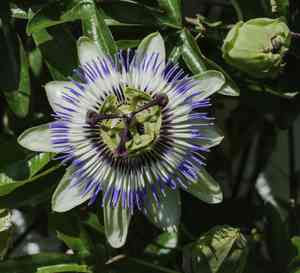
The Passiflora caerulea is resilient and can withstand temperatures down to -10°C (14°F).
2
For indoor wintering, a bright location with temperatures near 15°C (59°F) is necessary.
3
Trimming your Passiflora caerulea in late fall helps ready it for its winter rest.
What Does Overwintering Mean for Blue passionflower?
What Does Overwintering Mean for Blue passionflower?
Overwintering Blue passionflower involves taking measures to shield it from harsh winter conditions, ensuring its survival and vitality in spring. This includes specific methods to preserve the plant's health, whether it stays outside or is brought indoors. The aim is to reduce stress, prevent frost damage, and maintain soil quality.
Preparing Blue passionflower for Winter
Pruning Techniques
Begin by trimming your Blue passionflower in late autumn. Remove any dead or damaged growth to deter disease and enhance air circulation. Cut the plant back to a manageable size, focusing on thinning out dense areas to lessen stress and ready it for dormancy. Aim to prune no more than one-third of the plant to maintain its health and structure.
Feeding and Watering Adjustments
As winter nears, decrease the frequency of feeding as the plant's growth slows. Fertilize lightly in late autumn with a balanced fertilizer to ensure the plant has sufficient nutrients for winter. Watering should also be adjusted—water thoroughly but less often to prevent waterlogging. Ensure the soil remains damp but not saturated.
Mulching and Soil Preparation
Mulching is vital for safeguarding the Blue passionflower's roots from freezing temperatures. Apply a layer of mulch, about 5-7.5 cm (2-3 inches) thick, around the plant's base. This helps insulate the roots and retain soil moisture. Organic mulch like straw, leaves, or compost works well. Ensure the soil drains effectively to prevent root rot.
Indoor Care for Blue passionflower During Winter
Choosing the Right Indoor Location
If you opt to bring your Blue passionflower indoors, select a spot with ample sunlight. A south-facing window is ideal. Aim for temperatures around 15°C (59°F) to keep the plant comfortable. Avoid placing it near drafts or heating vents, as temperature fluctuations can stress the plant.
Monitoring Light and Temperature
Ensure the plant receives at least 6-8 hours of daily sunlight. If natural light is insufficient, supplement with grow lights to support healthy growth. Maintain a consistent indoor temperature, avoiding shifts that can stress the plant. An ideal range is 12-18°C (54-64°F). Monitor humidity levels and use a humidifier if indoor air is too dry.
Pest Control and Diseases
Indoors, the Blue passionflower may be vulnerable to pests like spider mites and aphids. Regularly inspect the plant for signs of infestation, such as discolored leaves or webbing. Use insecticidal soap or neem oil as needed. Additionally, ensure good air circulation to prevent fungal diseases. Promptly remove any fallen leaves or debris.
Outdoor Care for Blue passionflower During Winter
Providing Frost Protection
To shield your Blue passionflower from frost, cover it with frost cloths or burlap when temperatures fall below freezing. You can also use cloches or temporary greenhouses to protect the plant. These coverings help retain warmth and prevent frost damage to leaves and stems.
Maintaining Soil Moisture
Even in winter, it's crucial to maintain soil moisture. Water the plant sparingly but deeply, allowing the soil to remain moist without becoming waterlogged. Check the moisture level regularly, especially during dry spells or when the ground is frozen. Avoid watering when the soil is frozen as this can harm the roots.
Using Garden Fabrics and Covers
Garden fabrics, such as row covers or frost blankets, can be used to protect the Blue passionflower on particularly cold nights. These covers not only insulate the plant but also allow for air and moisture exchange. Ensure that the covers are securely fastened to withstand windy conditions.



