How to Overwinter Virginia creeper
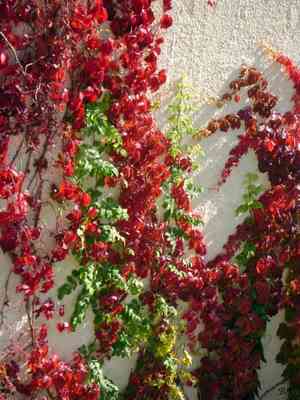
1
Virginia creeper is a robust plant capable of enduring freezing temperatures, requiring minimal care in winter.
2
Appropriate mulching aids in insulating the root system of Virginia creeper, providing crucial defense against severe cold.
3
Ensure Virginia creeper is pruned in late autumn to encourage fresh growth and minimize potential harm from winter conditions.
Is Virginia creeper Frost Hardy?
Is Virginia creeper Frost Hardy?
Indeed, Virginia creeper exhibits frost hardiness! This robust vine can endure low temperatures, which is a relief for many gardeners. It possesses the capacity to withstand frost due to its inherent adaptability and tough foliage. Nevertheless, even resilient plants sometimes require a bit of preparation to flourish through the colder months.
Preparing Virginia creeper for Winter
Pruning the Plant
Trimming Virginia creeper before the onset of frost is crucial for its winter survival. Late autumn is the optimal period for this task. Begin by removing any dead or damaged tendrils to prevent the spread of diseases during winter. You should also shorten excessively long vines to manage the plant's form and encourage healthier development in spring. Do not hesitate to cut back more than usual; aggressive pruning will help redirect the plant's energy to vital areas.
Mulching Techniques
Applying mulch is one of the most effective methods to safeguard Virginia creeper during winter. Spread a thick layer of organic mulch, approximately 5-7 cm (2-3 inches), around the plant's base to insulate its roots. Materials such as straw, wood chips, or shredded bark are suitable. The mulch acts as a protective layer, helping to maintain soil temperature and moisture levels. Remember to leave some space around the stem to prevent rot.
Watering Needs
Virginia creeper requires sufficient watering before the ground freezes solid. Water deeply once a week in the fall to ensure the plant's root system is adequately hydrated. However, be careful not to over-water, as saturated soil can lead to root decay. Once the ground is frozen, you can cease watering until the soil thaws in spring.
Optimal Location for Overwintering
Outdoor Considerations
When overwintering Virginia creeper outdoors, its placement is important. Ensure the plant is in an area with good drainage to prevent waterlogging. South-facing locations are ideal as they offer a bit more warmth and sunlight during the colder periods. If your region experiences very harsh winters, consider using burlap or frost cloth to cover the plant for additional protection.
Indoor Storage Tips
For those cultivating Virginia creeper in containers, indoor overwintering is an option. Select a cool, but frost-free spot such as an unheated garage or basement. Ensure the plant receives some indirect light. Water sparingly, just enough to keep the soil slightly damp. Excessive watering can cause root rot during its dormant phase.
Post-Winter Care for Virginia creeper
Inspecting for Damage
Once winter concludes, examine your Virginia creeper for any signs of harm. Look for broken or dead branches and remove them to encourage new growth. Check for indications of pests or disease, which may become more apparent as the plant begins to revive. Early detection and removal can prevent larger infestations or disease outbreaks.
Gradual Exposure to Outdoors
If your Virginia creeper has been overwintered indoors, slowly reintroduce it to the outdoors to prevent shock. Begin by placing it outside for a few hours daily in a sheltered spot before bringing it back inside. Gradually increase the outdoor exposure over one to two weeks. This process helps the plant acclimate slowly to its new environment.
Fertilization Tips
After the final frost date, provide your Virginia creeper with a boost of balanced fertilizer to stimulate vigorous growth. A slow-release granular fertilizer works well; adhere to the manufacturer's instructions for application rates. Fertilizing in early spring helps replenish soil nutrients, supporting the plant as it enters its active growth period.



