How to Overwinter Switchgrass
1
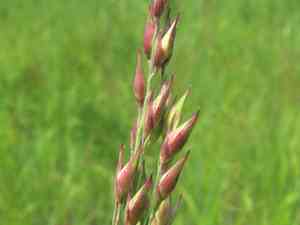
Switchgrass offers a superb, easy-to-care-for choice for decorative garden designs.
2
Beyond its visual charm, Switchgrass aids in preventing soil degradation.
3
It tolerates temperatures down to -20°F (-29°C), demonstrating strong winter hardiness.
Understanding Switchgrass and Winter Needs
Understanding Switchgrass and Winter Needs
As a robust perennial indigenous to North America, Switchgrass thrives in diverse conditions, including cold temperatures. It's recognized for its tall, elegant stalks and feathery seed heads that offer year-round visual appeal to gardens. Winter can be a challenging period for many plants, but with proper knowledge, Switchgrass can not only endure but flourish. To ensure its well-being during colder months, we must comprehend its specific winter requirements. Generally, resilient plants like Switchgrass demand minimal intervention, but a few preparatory measures can enhance their resistance to severe weather.
Preparing Switchgrass for Winter
Trimming the Foliage
A crucial step in readying Switchgrass for winter involves cutting back its foliage. Trim the stems to approximately 10-15 cm (4-6 inches) above the ground following the initial hard frost. This practice not only tidies the garden but also aids in preventing the potential spread of disease. Furthermore, it promotes new, vigorous growth in the spring.
Mulching
Mulching is vital for insulating the soil and safeguarding the root system of Switchgrass. Apply a 5-7 cm (2-3 inches) layer of organic mulch, such as shredded bark or straw, around the plant's base. This helps maintain a consistent soil temperature, reduces moisture loss, and offers additional protection against frost heave.
Protecting Switchgrass from Extreme Weather
Wind Protection Strategies
Winter winds can be particularly harsh on Switchgrass. To shield it from strong gusts, consider utilizing windbreaks like burlap barriers or planting it near structures that can block the wind. This lessens the risk of desiccation and physical harm.
Snow and Ice Management
Heavy snow and ice can bend or break Switchgrass stems. After a snowstorm, gently shake off excess snow to prevent damage. If ice accumulates, carefully remove it without breaking the stems. Alternatively, allow the plant to naturally shed the ice once temperatures rise.
Post-Winter Care for Switchgrass
Inspecting for Winter Damage
As winter begins to recede, thoroughly inspect your Switchgrass. Look for any indications of winter kill, frost damage, or disease. Remove any dead or damaged stems to encourage healthy new growth. This will ensure the plant is prepared to thrive in the growing season.
Spring Mulching and Fertilization
After the threat of frost has passed, refresh the mulch around your Switchgrass. A new layer of mulch not only helps retain soil moisture but also provides nutrients as it decomposes. Consider applying a balanced fertilizer in early spring to give your Switchgrass a robust start for the growing season.



