How to Overwinter Peony
1
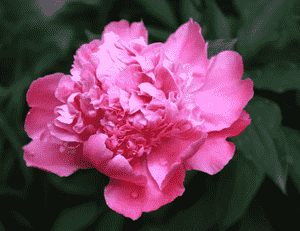
Peonies tolerate cold, indicating their ability to endure harsh winters with appropriate attention.
2
Applying mulch to peonies safeguards their root systems from varying temperatures and freezing harm.
3
Trimming peony leaves in autumn aids in disease prevention and primes the plant for robust development in spring.
What Is Overwintering and Why Is It Important for Peonies?
What Is Overwintering and Why Is It Important for Peonies?
Overwintering is vital for peonies, involving preparing the plant to endure cold winter months and emerge healthy in spring. While peonies are resilient to frost and can withstand low temperatures, they still require specific care to prevent damage from freezing and temperature fluctuations. Overwintering helps Peony plants conserve energy, lessen disease risk, and encourage vigorous growth when warmer weather arrives.
Preparing Peonies for Winter
When to Start Preparing
The ideal time to begin readying peonies for winter is during late autumn, typically around mid to late October, depending on your local climate. It's crucial to start before the initial hard frost, allowing your peonies ample time to gradually enter dormancy.
Cutting Back Peonies
Once the foliage starts to brown and die back in late fall, it's time to prune your peonies. Using clean, sharp shears, cut all stems down to approximately 5 cm (2 inches) above the soil line. This practice helps decrease the likelihood of diseases and pests that could survive winter in plant debris.
Cleaning Up the Area
After pruning the Peony stems, it's essential to clear the area around the plant. Remove any fallen leaves, stems, and other garden waste to prevent fungal diseases and pests from establishing themselves over winter. This cleanup fosters a healthier environment for your peonies to flourish in spring.
How to Mulch Peonies for Winter Protection
Recommended Mulch Materials
Using the correct mulch is crucial for safeguarding your peonies during winter. Suggested materials include straw, pine needles, shredded bark, or compost. These materials provide an insulating layer that protects the roots from extreme temperatures and frost heave.
Proper Mulching Techniques
To correctly mulch your peonies, apply a 5-10 cm (2-4 inches) thick layer of mulch over the root zone, ensuring it covers the entire base of the plant. Avoid piling mulch directly against the stems to prevent rot. Spread it evenly around the plant base, creating a protective barrier against the cold.
When to Mulch Peonies
The optimal time to mulch peonies is after the ground has begun to freeze, typically in late November or early December. This timing helps trap natural soil moisture, providing insulation without trapping too much warmth, which could trigger premature growth.
Protecting Peonies from Frost and Cold
Why Frost Protection Matters
Even though peonies are frost-hardy, shielding them from sudden temperature drops and frost is vital. Frost protection prevents root damage and ensures the plant maintains its vigor for robust growth in the spring.
Frost Protection Techniques for Peonies
In addition to mulching, you can add an extra layer of frost protection by using garden fleece or burlap to cover the Peony crowns. Before heavy frost, you can also erect windbreaks using stakes and fabric around the peonies to shield them from cold breezes, which can significantly lower temperatures around the plants.
Post-Winter Care for Peonies
Removing Mulch in Spring
As the weather begins to warm in early spring, gradually start removing the mulch. Slowly reduce the mulch layer to avoid shocking the new growth underneath. This method allows your peonies to acclimate to outdoor conditions progressively.
First Steps in Spring Growth
Once the mulch is removed, look for new shoots emerging from the ground. Begin to lightly water the plant if the soil feels dry and ensure it receives adequate sunlight. Apply a balanced, slow-release fertilizer to encourage healthy growth and vibrant blooms.
Common Issues to Watch for After Winter
After winter, monitor for common issues like frost damage, rot, or fungal diseases. If you observe any of these problems, address them immediately by trimming affected areas and treating with appropriate fungicides. Regular monitoring and early intervention can ensure your peonies recover strongly.



