How to Overwinter American hophornbeam
1
The American hophornbeam is resilient to cold and can withstand temperatures down to -29°C (-20°F).
2
Adequate mulching insulates the root system, safeguarding it from severe winter cold.
3
Frequent checks aid in averting pest infestations and illnesses throughout the winter season.
What Makes American hophornbeam Hardy?
What Makes American hophornbeam Hardy?
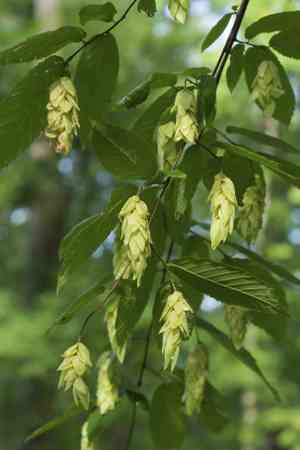
The American hophornbeam is known for its toughness, especially in cold weather. Originating from North America, this deciduous tree thrives in USDA Hardiness Zones 3-9, showing a remarkable capacity to endure freezing temperatures and heavy snow. Its strong bark and deep root system are key factors contributing to its resilience. These traits not only help the tree manage cold stress but also make it relatively easy to care for once established.
How to Prepare American hophornbeam for Winter
Assessing the Plant's Health
Before winter arrives, it's vital to check the overall condition of your American hophornbeam. Look for indications of illness, pest infestations, or any physical harm. A healthy tree will have vibrant foliage during the growing season and sturdy branches. If you notice any problems, address them quickly to ensure the tree is in the best state to face winter.
Watering Needs Before Frost
Watering is crucial for the American hophornbeam before the first frost. Ensure the soil is adequately watered but not waterlogged. A thorough watering session, providing about 5-8 liters (1-2 gallons) of water per square meter (10 square feet), helps the roots absorb necessary moisture, which will be beneficial during the dormant period.
Applying Mulch for Insulation
Mulching is an excellent way to shield the roots from extreme cold. Apply a layer of organic mulch, such as wood chips or straw, approximately 5-7 cm (2-3 inches) thick around the tree's base. This layer acts as insulation, maintaining stable soil temperature and consistent moisture levels. Be sure to keep the mulch a few centimeters (inches) away from the trunk to prevent rot.
Pruning Techniques for Winter
Pruning your American hophornbeam before winter can prevent damage from snow and ice accumulation. Remove any dead, diseased, or damaged branches, and thin out crowded sections to allow better air circulation. Use clean, sharp tools to make precise cuts just above a bud or branch junction to promote healthy regrowth in the spring.
How to Maintain American hophornbeam During Winter
Monitoring Soil Moisture
During winter, it's essential to monitor the soil moisture around your American hophornbeam. Even though the tree is dormant, its roots still require some moisture to survive. Check the soil periodically, especially during dry spells, and water as needed, ensuring the ground isn't frozen.
Inspecting for Pests and Diseases
Winter is a dormant period for many pests, but some might still pose a threat to your American hophornbeam. Regular inspections can help you catch any signs of trouble early. Look for indicators such as bark damage, unusual growths, or insect activity. If you find any, take appropriate action promptly to prevent further damage.
Protection from Heavy Snow and Ice
Heavy snow and ice can cause significant damage to your American hophornbeam. After heavy snowfall, use a broom to gently brush off the snow from the branches. Avoid using salt-based de-icers near the tree, as they can harm the roots and soil. For particularly icy conditions, you might consider wrapping the trunk with a tree wrap to prevent splitting.
What to Do When Spring Arrives?
Gradual Exposure to Sunlight
As winter recedes and spring approaches, gradually increase the American hophornbeam's exposure to sunlight. This helps the tree acclimate to the changing temperatures. Remove any winter protections, like mulch or wraps, slowly to avoid shocking the plant.
Fertilizing After Winter
Spring is the perfect time to replenish the nutrients in the soil. Use a balanced, slow-release fertilizer to give your American hophornbeam a good start for the growing season. Follow the manufacturer's guidelines to avoid over-fertilization, which can harm the tree.
Handling any Winter Damage
Check your American hophornbeam for any damage that occurred over the winter months. Look for broken branches, frost cracks, or signs of disease. Prune any damaged areas carefully, and consider applying a tree wound dressing if necessary to prevent infection.



