How to Overwinter Sweet marjoram
1
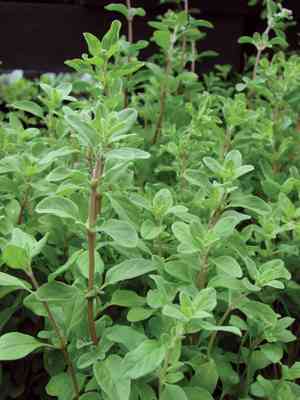
Sweet marjoram is resilient and can endure minor freezes if properly tended.
2
Begin winter preparations in the middle to end of autumn as temperatures start to fall.
3
Ensuring sufficient light and preventing excessive watering are vital during the colder months.
Importance of Overwintering Sweet marjoram
Why Overwintering Sweet marjoram is Essential
Overwintering Sweet marjoram is vital to ensure its survival through colder periods and vigorous growth in spring. This herb, prized for its sweet, pine, and citrus-flavored leaves, is a garden favorite. However, as it lacks full frost hardiness, providing winter care makes a significant difference. This process safeguards it from severe cold, prevents root and foliage damage, and maintains its health, allowing it to rebound strongly when temperatures rise.
Steps for Overwintering Sweet marjoram
Preparing Sweet marjoram for Winter
Start by trimming your Sweet marjoram to encourage new, healthy growth in the spring. Remove any dead or damaged leaves and stems. This not only cleans up the plant but also reduces the likelihood of pest infestations. A good trim will also make the plant easier to manage if you plan to bring it indoors.
Selecting the Optimal Location
If keeping Sweet marjoram outdoors, position it in a spot sheltered from wind and extreme cold, such as against a south-facing wall. For indoor overwintering, choose a location with ample sunlight, like a bright windowsill. Indoors, using a pot with good drainage will help prevent waterlogging, which can be harmful in colder months.
Managing Light and Temperature
Light is crucial for Sweet marjoram during winter. If natural light is limited, consider using supplemental grow lights. Maintain temperatures around 15-20°C (59-68°F) for optimal development. Avoid placing the plant near heat sources that can cause drastic temperature fluctuations.
Winter Watering and Feeding
During winter, Sweet marjoram will require less water. Allow the top 2.5-5 cm (1-2 inches) of soil to dry out between waterings. Overwatering can lead to root rot, a common problem for many herbs in winter. Feeding should be minimal; a very diluted, balanced fertilizer once a month is usually enough to sustain health without promoting excessive growth.
Common Errors to Avoid
Excessive Watering of Sweet marjoram
One of the most frequent errors is overwatering. During winter, Sweet marjoram enters a period of reduced growth and needs less water. Always let the soil partially dry out before watering again to prevent soggy roots and fungal diseases.
Insufficient Lighting
Ensuring your Sweet marjoram receives enough light can be challenging during the shorter, darker winter days. A lack of adequate lighting can cause the plant to become leggy and weak. If natural light is insufficient, investing in a quality grow light can keep your plant healthy.
Neglecting Pests and Diseases
Sweet marjoram can still succumb to pests and diseases indoors. Regularly inspect your plant for any signs of aphids, spider mites, or downy mildew. Address issues promptly with either natural remedies or appropriate insecticides to prevent their spread and damage to the plant.



