How to Overwinter Drooping prickly pear
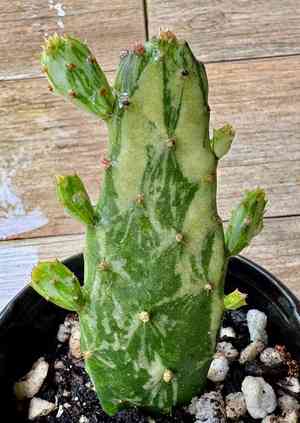
1
Drooping prickly pear cacti are susceptible to frost damage and require protection from freezing conditions.
2
Refrain from excessive watering in colder months; too much moisture can cause root decay.
3
Make sure your Drooping prickly pear gets 6-8 hours of diffused light when kept indoors.
What Does Overwintering Mean for Drooping prickly pear?
What Does Overwintering Mean for Drooping prickly pear?
Overwintering is a vital process for the Drooping prickly pear to survive colder months. It involves preparing the plant for indoor conditions to shield it from frost and cold damage. Since the Drooping prickly pear originates from warmer climates, it requires special attention to flourish during winter. The primary goal is to create an environment that imitates its natural habitat, ensuring its health until spring.
Why is Drooping prickly pear Not Frost Hardy?
Understanding Frost Tenderness
Frost tenderness indicates that the Drooping prickly pear cannot withstand freezing temperatures. Its cellular structure and water content make it vulnerable to damage when temperatures fall below 0°C (32°F). Unlike more resilient plants, it lacks the mechanisms to safeguard its tissues from ice formation.
Impact of Frost on Drooping prickly pear
Exposure to frost can inflict severe harm on the Drooping prickly pear. Symptoms include blackened and soft pads, which can lead to rot and ultimately kill the plant. Protecting it from such conditions is crucial to ensure its survival and continued growth.
How to Prepare Drooping prickly pear for Winter?
Inspect and Clean the Cactus
Before bringing your Drooping prickly pear indoors, thoroughly check it for pests and diseases. Remove any dead or damaged pads to prevent the spread of infection. Cleaning the plant helps minimize the risk of pest outbreaks in your home.
Watering Requirements Before Winter
In preparation for winter, gradually reduce watering about a month before the expected frost. For most cacti, reducing water helps to avoid excess moisture, which can be detrimental during colder months. Aim for your Drooping prickly pear soil to be almost dry before it is brought inside.
Adjusting Fertilizer Use
Stop fertilizing your Drooping prickly pear in the late summer or early fall. This helps the cactus enter its dormant phase without the incentive to produce new, tender growth that is more susceptible to cold damage.
Where to Place Drooping prickly pear Indoors?
Choosing the Right Location
Select a location in your home that mimics the natural conditions of the cactus. An ideal spot is one that is cool but not drafty, and away from direct sources of heat like radiators or fireplaces.
Ensuring Adequate Light
Your Drooping prickly pear needs plenty of light to thrive. Place it in a spot where it can receive 6-8 hours of indirect sunlight daily. If natural light is insufficient, consider using a grow light to supplement its needs.
Maintaining Optimal Temperature
Keep indoor temperatures between 10-15°C (50-59°F) during the winter months. Avoid placing the cactus near cold drafts or in areas where temperatures may fluctuate drastically.
Common Mistakes to Avoid During Overwintering
Overwatering
Overwatering is one of the most common mistakes when overwintering Drooping prickly pear. Water your cactus sparingly, only when the soil is completely dry. Overly moist conditions can lead to root rot and fungal infections.
Neglecting Light Requirements
Inadequate light can weaken your Drooping prickly pear and make it more susceptible to diseases. Ensure it gets sufficient light to maintain its health during the dormant period.



