How to Overwinter Angel's-wings
1
Angel's-wings thrives in arid environments over winter to avoid root decay.
2
Maintain internal temperatures between 10-15°C (50-59°F) for ideal winter survival.
3
Substantially decrease irrigation frequency as the plant begins its dormant phase.
The Importance of Overwintering Angel's-wings
The Importance of Overwintering Angel's-wings
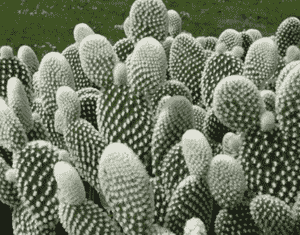
Protecting your Angel's-wings (Opuntia microdasys) through winter is vital for its health and long-term survival. This resilient cactus thrives in warm climates but can suffer damage from extended exposure to freezing temperatures. Proper winter care prevents frost damage, root decay, and other cold-related problems, allowing your Angel's-wings to flourish when warmer weather returns.
Preparing Angel's-wings for Winter
Pest Inspection
Before moving your Angel's-wings indoors or insulating it outside, thoroughly check for pests like mealybugs, spider mites, and scale insects. These pests can severely harm a plant, especially in enclosed indoor spaces. Treat any infestations with appropriate organic or chemical treatments to ensure a pest-free winter.
Trimming and Cleaning
Next, remove any dead or decaying pads and clean the cactus to eliminate debris and dust. This not only enhances the plant's appearance but also promotes better air circulation, crucial for preventing fungal issues. Use sanitized pruning shears for clean cuts, reducing disease risk.
Indoor vs Outdoor Winter Care
Indoor Winter Conditions
For indoor wintering, place your Angel's-wings in a cool, well-ventilated spot with ample indirect light. Ideal temperatures should be between 10-15°C (50-59°F). Avoid high humidity areas, as this can encourage rot. If natural light is insufficient, consider using supplemental grow lights to meet its needs.
Outdoor Winter Advice
If you choose to winter your Angel's-wings outdoors, select a location protected from wind and excessive moisture. Applying a thick layer of mulch around the cactus base can help insulate its roots. Additionally, use frost cloths or burlap to cover the plant during particularly cold nights, providing extra protection from frost and freezing.
Tips for Successful Overwintering
Watering Guidelines
One of the most crucial aspects of winter care is proper watering. During winter, significantly reduce watering frequency to once every 4-6 weeks, just enough to prevent the soil from completely drying out. Overwatering can lead to root rot, a common problem when wintering cacti.
Temperature Management
Maintain consistent temperatures to avoid stressing the plant. As mentioned, the ideal range is between 10-15°C (50-59°F). Sudden temperature changes can weaken the cactus and make it more vulnerable to diseases.
Light Requirements
Ensure your Angel's-wings receives adequate light during its dormant period. If natural light is limited, especially in northern regions, use grow lights as a supplement. Aim for at least 8 hours of light daily to mimic its natural growing conditions.
Common Overwintering Errors to Avoid
Excessive Watering
Overwatering is the most frequent error gardeners make in winter. Remember, Angel's-wings is a desert plant that prefers dry conditions. Water sparingly to prevent root rot.
Insufficient Light
Ensure the cactus receives enough light. Inadequate light can weaken the plant and impede its growth in spring. Invest in quality grow lights if necessary.
Incorrect Temperature
Keeping the plant in an environment that's either too warm or too cold can be harmful. Ensure stable indoor temperatures within the recommended range to effectively support your cactus's dormant period.



