How to Overwinter Dwarf lilyturf
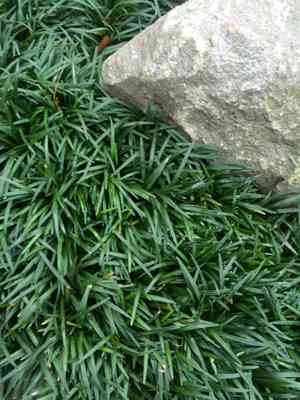
1
Dwarf lilyturf tolerates cold well, allowing it to thrive outdoors in diverse weather conditions.
2
Start preparing Dwarf lilyturf for winter in late autumn to guarantee the best defense.
3
Regular observation and maintenance throughout winter aid in preventing strain and harm to Dwarf lilyturf.
Understanding Overwintering Needs of Dwarf lilyturf
Understanding Overwintering Needs of Dwarf lilyturf
Overwintering Dwarf lilyturf (Ophiopogon japonicus) is crucial for ensuring your plant thrives through the colder months. This robust plant is quite resilient and can withstand freezing temperatures with proper care. It's particularly well-suited for outdoor gardens but can also make a lovely addition to indoor setups. Understanding its winter requirements will help you provide optimal conditions for its survival and growth.
Preparing Dwarf lilyturf for Winter
When to Start Winter Preparations?
The key to successful overwintering of Dwarf lilyturf is timing. Begin your preparations in late fall, once temperatures start to drop but before the first significant frost. This typically means starting the process around late October to early November. Early preparations will allow your plant to gradually acclimate to changing conditions, reducing the risk of shock.
Necessary Tools and Materials
Having the right tools and materials on hand can make a significant difference. Here are some essentials: Mulch (e.g., straw, wood chips) Garden gloves Pruning shears Frost blankets or burlap Stakes or hoops for support
How to Protect Dwarf lilyturf from Frost?
Mulching Techniques
Mulching is one of the most effective ways to protect Dwarf lilyturf from frost. Spread a 5-10 cm (2-4 inch) thick layer of mulch around the base of the plant to insulate the roots. This helps retain soil moisture and stabilizes soil temperature, preventing sudden freezing and thawing cycles that can damage roots.
Covering and Wrapping Tips
In addition to mulching, covering and wrapping your Dwarf lilyturf can provide extra protection. Use frost blankets or burlap to cover the plants, especially during nights when temperatures are expected to drop significantly. Secure the covers with stakes or hoops to prevent them from touching the foliage directly, which can cause frost burn.
Watering and Feeding During Winter
Adjusting Watering Schedule
One of the common mistakes during winter is overwatering. Dwarf lilyturf requires less water during the colder months. Reduce the frequency of watering but ensure the soil remains slightly moist. Avoid waterlogging, as excessively wet conditions can lead to root rot.
Nutrient Considerations
While Dwarf lilyturf goes into a semi-dormant stage during winter, it's still crucial to provide it with the right nutrients. Use a balanced, slow-release fertilizer sparingly in the late fall. This will give the plant the nutrients it needs without stimulating too much new growth, which can be vulnerable to frost.
Monitoring Dwarf lilyturf in Winter
Signs of Stress and Damage
Regular monitoring is essential to catch any signs of stress or damage early. Look out for yellowing leaves, wilting, or discoloration, which can indicate frost damage or root issues. Also, be aware of any unusual changes in the plant’s appearance.
How to Address Common Issues
If you notice signs of stress or damage, act promptly. For frost-damaged leaves, trim off the affected areas to prevent disease spread. Adjust your watering schedule if the soil is too wet or too dry. Additionally, ensure the mulch and covers are properly in place and intact.



