How to Overwinter Common swamp pitcher-plant
1
Optimal winter temperatures for Common swamp pitcher-plant range from 18-24°C (65-75°F).
2
Keep humidity levels at approximately 50-70% to ensure your Common swamp pitcher-plant thrives in winter.
3
Slowly acclimate your Common swamp pitcher-plant to outdoor environments in the early part of spring.
Why Overwintering is Essential for Common swamp pitcher-plant?
Why Overwintering is Essential for Common swamp pitcher-plant?
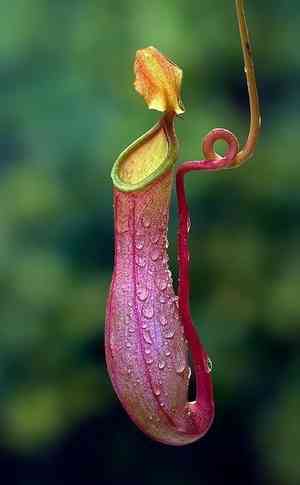
The Common swamp pitcher-plant (Nepenthes mirabilis) is a captivating carnivorous plant recognized for its distinctive pitcher-shaped traps. It is a cold-sensitive plant, meaning it cannot endure freezing temperatures. Therefore, overwinteringâproviding appropriate care and conditions during the colder monthsâis crucial for its survival and well-being. When temperatures fall below its preferred range, the Common swamp pitcher-plant can suffer from frost damage, reduced vitality, and even death. By overwintering your plant, you guarantee its safety, health, and readiness to flourish in the spring.
Ideal Conditions for Overwintering Common swamp pitcher-plant
Temperature Control
Temperature is a vital element when overwintering your Common swamp pitcher-plant. This tropical species prefers temperatures between 18-24°C (65-75°F) during the winter period. Anything below this range can induce stress and harm. Avoid positioning your plant near drafty windows or doors where cold air can enter. If necessary, employ a space heater to maintain a stable environment, but ensure it doesn't excessively dry out the air.
Humidity Levels
Humidity is equally significant for the Common swamp pitcher-plant. Aim for a humidity level of approximately 50-70%. Dry indoor air during winter can be detrimental, leading to dehydration and browning edges on the foliage. To elevate humidity, use a room humidifier or place a tray of water near the plant. Regular misting can also assist, but be careful not to overdo it, as excessively wet conditions can foster fungal problems.
Light Requirements
The Common swamp pitcher-plant thrives in bright, indirect illumination. During winter, natural sunlight may be limited, so consider supplementing with grow lights. Position your plant in an east or south-facing window where it can receive a few hours of gentle morning sun. If utilizing artificial lights, keep them on for about 12-14 hours daily to mimic the extended daylight hours of its native habitat.
Step-by-Step Guide to Overwinter Common swamp pitcher-plant
Preparing the Plant for Winter
Begin preparing your Common swamp pitcher-plant for overwintering by inspecting it for any indications of disease or pests. Remove any dead or decaying leaves and pitchers to lessen the risk of fungal infections. Gradually decrease the watering frequency, as the plant's growth slows during winter, but ensure the soil remains moist, not waterlogged.
Bringing the Plant Indoors
One to two weeks before the first anticipated frost, bring your Common swamp pitcher-plant indoors. Select a bright yet cool location away from direct drafts. Ideally, a sunroom or enclosed porch with regulated temperatures can work well. If space is restricted, a spot in a brightly lit room will suffice, but maintain the environmental conditions previously discussed.
Monitoring and Maintenance During Winter
Throughout the winter months, consistently check your Common swamp pitcher-plant for any signs of distress such as yellowing foliage or wilting pitchers. Continue to provide moderate watering, keeping the substrate moist but not saturated. Maintain optimal humidity using the methods mentioned, and ensure sufficient lighting. Regularly rotate the plant to guarantee even light exposure on all sides.
Common Issues and How to Address Them
Pest Control
Indoor environments can sometimes lead to pest problems like spider mites, aphids, or scale insects. Regularly inspect your Common swamp pitcher-plant and use a mild insecticidal soap or neem oil solution for treatment. Ensure good air circulation and avoid overly humid, stagnant conditions that can encourage pest proliferation.
Dealing with Leaf Drop
Leaf drop can be a frequent issue when moving plants indoors. If your Common swamp pitcher-plant begins losing leaves, ensure it's not due to sudden temperature fluctuations or insufficient light. Gradual acclimatization and consistent care usually resolve the problem.
Maintaining Healthy Pitchers
Pitchers can sometimes dry out or rot during winter. If you observe this, trim affected areas and ensure the plant is receiving proper humidity and light. Avoid over-fertilizing, as this can cause more harm than good in winter.



