How to Overwinter North's false flag
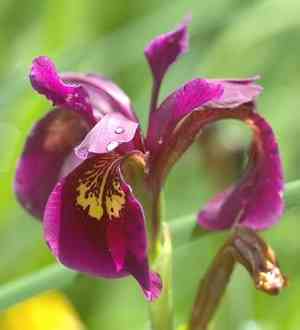
1
North's false flag thrives in temperatures ranging from 18°C (65°F) to 21°C (70°F) in the winter.
2
Maintain humidity levels near 50% for ideal development.
3
Excessive light can harm North's false flag. Indirect light is most suitable.
Understanding North's false flag Overwintering Needs
Understanding North's false flag Overwintering Needs
The North's false flag, recognized for its lovely, iris-like blooms, is a robust plant that typically adapts well to diverse environments. However, like most flora, it demands specific attention during the colder months. Overwintering entails implementing particular measures to guarantee your North's false flag stays healthy and vibrant despite the chilly weather.
What are the Ideal Conditions for Overwintering North's false flag?
Temperature Requirements
Temperature plays a vital role in the well-being of your North's false flag throughout winter. Optimal temperatures should remain between 18°C (65°F) and 21°C (70°F). If temperatures drop significantly, the plant may suffer. Therefore, consider relocating the plant indoors when the mercury dips to maintain this range.
Humidity Levels
Humidity is equally crucial for your North's false flag during the winter. Aim to keep humidity levels around 50%. You can utilize a humidifier to maintain this level or place a water tray near the plant. Lightly misting the foliage occasionally can also assist.
Light Conditions
Although the North's false flag requires illumination, it does not flourish under direct sunlight during winter months. Filtered light is best. Position the plant in a spot where it receives indirect sunlight for approximately 4-6 hours daily. Excessive direct sunlight can cause stress and damage the leaves.
How to Prepare North's false flag for Overwintering?
Pruning
Pruning is essential as it aids in removing dead or damaged foliage, making the plant more resilient during winter. Using sanitized pruning shears, trim back overgrown areas, and eliminate any unhealthy parts to encourage new growth.
Cleaning and Inspecting for Pests
Begin by wiping the leaves with a damp cloth to remove any dust or debris. Examine the plant for indications of pests like aphids or spider mites. If you discover any, consider using an insecticidal soap or neem oil to neutralize them before bringing the plant indoors.
Soil Preparation
Overwintering often necessitates adjusting the soil. Ensure the soil drains well and is not waterlogged. You can add a layer of mulch to help retain moisture. It's critical that the soil medium remains balanced to prevent root rot.
Maintaining North's false flag During the Winter
Watering Guidelines
During winter, your North's false flag will require less frequent irrigation. Water the plant when the top 2-3 cm (1 inch) of soil feels dry to the touch. Overwatering can lead to root rot, so it's better to underwater rather than overwater during these months.
Fertilizing Needs
Reduce the amount of fertilizer during winter. Over-fertilization can create salt accumulation in the soil, which stresses the plant. A diluted, balanced liquid fertilizer applied every 6-8 weeks is generally sufficient.
Monitoring for Diseases
Regularly inspect your North's false flag for signs of disease, such as mold, mildew, or leaf spots. Isolate the plant if you notice any symptoms to prevent the spread to other plants. Use a mild fungicide if necessary to treat infections.
What to Do If North's false flag Shows Signs of Stress?
Identifying Common Stress Signs
Common stress signs include yellowing leaves, wilting, and dropped flowers. These symptoms often indicate improper watering, incorrect light levels, or pest issues. Pay close attention to these indicators to address the problem promptly.
Immediate Remedies
If stress signs appear, first check the watering schedule and adjust as needed. Make sure the plant is receiving adequate indirect light and appropriate humidity levels. Removing affected leaves can also help the plant recover more quickly.



