How to Overwinter Chinese sacred lily
1
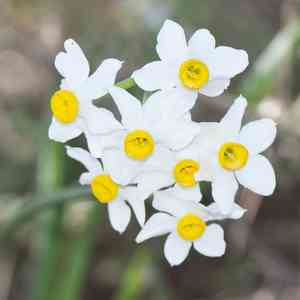
The Chinese sacred lily is recognized for its lovely, aromatic white blossoms that appear in the colder months.
2
These lilies are deemed tolerant of frost, yet they still thrive when protected indoors during winter in chilly regions.
3
Appropriate winter care for Chinese sacred lily guarantees robust regrowth come springtime.
Why Overwinter Chinese sacred lily?
Why Overwinter Chinese sacred lily?
The Chinese sacred lily is a perennial plant that produces stunning white flowers with a distinctive scent. These bulbs are frost-hardy, but they can still benefit from overwintering, especially in harsher climates where temperatures can drop significantly. Overwintering this plant not only protects it from extreme weather conditions but also promotes healthy growth and blooming in the next season. Ensuring your Chinese sacred lily is well cared for during the winter months will help maintain its vitality and ensure it thrives year after year.
Step-by-Step Guide to Overwinter Chinese sacred lily
Preparing the Plant
Begin by trimming the foliage of your Chinese sacred lily to approximately 10-15 cm (4-6 inches) above the ground. This directs the plant's energy towards the bulb. You can also remove any dead or decaying leaves to prevent disease and pests. It's advisable to gently lift the bulbs if they are planted directly in the ground, shake off excess soil, and inspect for any signs of rot or damage before storage.
Choosing the Right Location
Selecting the perfect spot to overwinter your Chinese sacred lily is essential. Ideally, choose a cool, dark place such as a basement, garage, or even a shed. The location should have consistent temperatures between 4-7°C (40-45°F). Avoid areas that are too warm, as this can cause the bulbs to dry out prematurely.
Watering and Soil
While overwintering, it's important to avoid overwatering your Chinese sacred lily bulbs. Excess moisture can lead to rot and fungal infections. If you are storing the bulbs in pots, use a well-draining potting mix and water sparingly, just enough to keep the soil slightly damp. For bulbs stored in shallow trays or bags, a light misting occasionally will suffice.
Temperature and Humidity
Maintaining the proper temperature and humidity levels is critical for the health of your Chinese sacred lily during winter. As mentioned earlier, keep the temperature between 4-7°C (40-45°F). Humidity should be kept at a moderate level to prevent the bulbs from drying out. You can use a humidifier or place a container of water nearby to maintain humidity levels if needed.
Post-Winter Care
As winter comes to an end and temperatures begin to rise, start preparing your Chinese sacred lily for the growing season. Gradually reintroduce the bulbs to light and higher temperatures by moving them to a brighter, warmer area for short periods each day. Ensure you water the bulbs more frequently as they resume active growth. Once the danger of frost has passed, you can replant the bulbs outdoors or in larger pots. It's a good idea to add some compost or a balanced fertilizer into the soil to give the plants a nutrient boost.
What Are Common Overwintering Problems?
Yellowing Leaves
One of the common issues you might encounter during overwintering is yellowing leaves. This can be caused by overwatering or insufficient light. Ensure that you are not watering the bulbs too much and try to provide some indirect light if the leaves start to yellow.
Mold and Mildew
Mold and mildew are problematic when overwintering Chinese sacred lily. They thrive in damp, dark conditions. To prevent this, ensure proper ventilation in the storage area and avoid excessive moisture. Remove any affected bulbs immediately to prevent the spread of mold.
Pests
Another potential problem is pests such as aphids, spider mites, or bulb flies. Regularly inspect your stored bulbs for any signs of infestation. If pests are detected, treat the bulbs with an appropriate organic pesticide or insecticidal soap. Ensure the storage area is clean and free of debris that could attract pests.



