How to Overwinter Wild daffodil
1
Wild daffodils are resilient to frost and can withstand low temperatures if cared for correctly.
2
Applying a 5-10 cm (2-4 inch) layer of organic mulch is essential for safeguarding them during winter.
3
Examine bulbs for pests and diseases prior to the initial frost to avoid issues over winter.
What Are Wild daffodils?
What Are Wild daffodils?
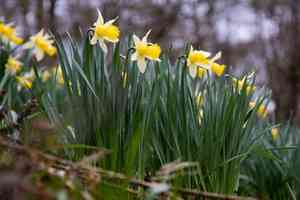
The Wild daffodil is a charming and resilient flower known for its bright yellow petals and trumpet-shaped blooms. Often spotted in meadows and woodlands, these flowers herald the arrival of spring. Unlike their cultivated cousins, Wild daffodils possess a certain rugged charm, making them perfect for naturalizing in gardens. They typically grow to heights of 30-50 cm (12-20 inches) and thrive in well-drained soil. Given their natural habitat, Wild daffodils are quite hardy, making them an ideal choice for gardeners looking to add a touch of early spring beauty to their landscapes.
Preparing Wild daffodils for Winter
When to Start Preparing
The optimal time to begin readying your Wild daffodils for winter is in late autumn, prior to the first frost. Typically, gardeners should commence preparations in late October or early November. This timing allows ample opportunity to prepare the soil and ensure the bulbs are protected before temperatures drop significantly.
Proper Soil Preparation
Ensuring your Wild daffodils are planted in well-prepared soil significantly aids their winter survival. The key is well-drained soil, as standing water can cause bulb rot. Before the frost arrives, gently loosen the soil around your Wild daffodils and add organic matter, such as compost, to enhance drainage and provide essential nutrients. Aim for a soil pH between 6.0 and 7.0, which is slightly acidic to neutral, as this helps the bulbs assimilate nutrients effectively.
Ideal Mulching Techniques
Mulching is an integral step in preparing your Wild daffodils for winter. Apply a layer of organic mulch, such as straw, leaves, or wood chips, about 5-10 cm (2-4 inches) thick over the planting area. This mulch acts as an insulating blanket, protecting the bulbs from temperature fluctuations. Additionally, mulch helps retain soil moisture and suppresses weed growth, both of which contribute to healthier, more robust plants. Ensure the mulch layer is even and without air pockets to provide consistent coverage.
How to Protect Wild daffodils from Extreme Cold?
Using Row Covers
For regions that experience extremely harsh winters, employing row covers can provide an extra layer of protection for your Wild daffodils. These covers are made from breathable fabrics that allow light and moisture penetration but shield the plants from severe cold. Secure the covers over your garden beds during extreme cold spells, removing them once temperatures moderate to ensure your plants receive ample sunlight.
Insulating with Straw or Leaves
In addition to mulching, consider insulating your Wild daffodils with an additional layer of straw or leaves. Unlike primary mulch, this secondary insulating layer can be thicker, around 15-20 cm (6-8 inches), and is typically applied after the first hard frost. This extra layer helps to trap heat in the soil, providing added warmth for the bulbs. As spring approaches, gradually remove this insulation to prevent mold and to allow your Wild daffodils to emerge unimpeded.
Common Problems While Overwintering Wild daffodils
Handling Soil Pests
Soil pests, such as nematodes and bulb flies, can pose significant challenges to Wild daffodils. To prevent these pests from damaging your bulbs, inspect them thoroughly before planting in the fall. If you notice any signs of infestationâlike small holes or soft spotsâtreat the bulbs with an appropriate insecticidal treatment. Additionally, maintaining garden hygiene by removing plant debris can reduce the likelihood of pest infestations.
Preventing Fungal Infections
Fungal infections, notably botrytis and fusarium basal rot, can affect Wild daffodils during their overwintering period. To prevent these infections, ensure your bulbs are planted in well-drained soil and avoid overwatering. Also, space the bulbs adequately to allow air circulation, as crowded conditions can foster fungal growth. If you detect any fungal issues, treat the affected areas with a fungicide specifically recommended for bulb plants.



