How to Overwinter Poet's narcissus
1
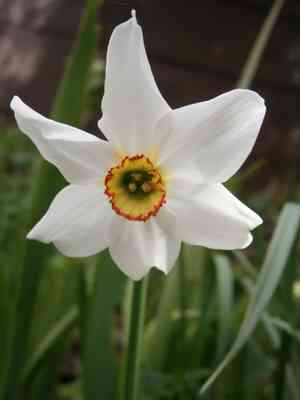
Poet's narcissus flowers in late spring, emitting a subtle scent.
2
Confirm soil drains effectively to avoid bulb decay over winter.
3
Poet's narcissus withstands temperatures down to -28°C (-18°F).
Why is Overwintering Important for Poet's narcissus?
Why is Overwintering Important for Poet's narcissus?
Poet's narcissus is a lovely, resilient perennial that delights with its fragrant, white flowers. Yet, even tough plants require some attention to endure harsh winter weather. Overwintering helps shield bulbs from freezing temperatures, prevents pest infestations, and prepares the plant for a vigorous and healthy bloom cycle in spring. Proper overwintering ensures your Poet's narcissus returns strong each year, gracing your garden with its charming presence.
Steps to Safely Overwinter Poet's narcissus
Cutting Back Foliage
Once the initial frost arrives and the Poet's narcissus leaves start to yellow and die back, it's time to trim the foliage to the ground. This step is vital as it helps redirect the plant's energy back to the bulb for winter storage. Use clean, sharp gardening shears to prevent infections or damage to the plant.
Mulching Techniques to Protect the Bulbs
Mulching is an excellent method to insulate the bulbs from the cold. Apply a layer of organic mulch, such as straw, shredded leaves, or pine needles, about 5-8 cm (2-3 inches) thick over the planting area. This helps maintain a consistent soil temperature and prevents frost heaving, where the freeze-thaw cycle pushes the bulbs out of the ground.
Watering Guidelines Before Winter
It's important to adjust your watering as winter approaches. In the fall, reduce watering frequency since the soil naturally retains more moisture. However, ensure the soil remains slightly moist but not waterlogged, as too much water can lead to bulb rot. Aim to water deeply, about 2.5 cm (1 inch) per week, before the ground freezes.
Pest and Disease Check
Before the ground freezes, inspect your Poet's narcissus for any signs of pests or diseases. Look for abnormalities like discolored spots, wilting, or insect activity. Remove affected foliage and treat any pest issues promptly using eco-friendly solutions. Keeping your plants healthy before winter helps them survive the tough conditions more effectively.
Spring Care After Overwintering Poet's narcissus
Removing Mulch and Debris
As temperatures begin to rise in early spring, gradually remove the mulching material to allow the soil to warm. Clear away any debris to give your Poet's narcissus a clean, fresh start. This step is crucial for preventing fungal infections and ensuring good air circulation around the plants.
Initial Watering Schedule
Once the mulch is removed, start a regular watering schedule. Water deeply once a week, ensuring the soil remains moist but not waterlogged. This encourages strong root growth and prepares the plant for the upcoming blooming season. If spring rains are frequent, adjust your watering schedule accordingly to avoid overwatering.
Fertilizing for a Robust Start
In early spring, apply a balanced, slow-release fertilizer to provide essential nutrients. A 10-10-10 NPK fertilizer is a good choice. Follow manufacturer instructions for the amount and frequency. Fertilizing helps the bulbs replenish their energy reserves, ensuring a prolific and healthy bloom cycle.



