How to Overwinter Compact grape hyacinth
1
The Compact grape hyacinth tolerates cold and can endure harsh winters.
2
Compact grape hyacinths flourish optimally in bright sun to light shade.
3
Apply a layer of mulch to safeguard Compact grape hyacinth bulbs over winter.
Understanding Compact grape hyacinth's Winter Needs
Understanding Compact grape hyacinth's Winter Needs
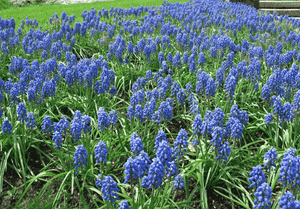
The Compact grape hyacinth (Muscari botryoides) is a cherished bulbous plant recognized for its dense clusters of deep blue flowers that resemble small grapes. Originating from Europe, this resilient plant can withstand cold conditions, making it perfect for overwintering in various climates. As an outdoor plant, it demands minimal attention, but comprehending its winter requirements is vital for guaranteeing a vibrant spring display. These bulbs enter a dormant state during winter, conserving energy to bloom beautifully in spring. The key to successfully overwintering Compact grape hyacinth is providing protection while ensuring the bulbs remain undisturbed in their natural environment.
Preparing Compact grape hyacinth for Winter
Key Steps in Autumn Prep
As autumn approaches, it's crucial to prepare your Compact grape hyacinth bulbs for the colder months ahead. Start by trimming any dead foliage after the initial frost to prevent diseases. Then, it's beneficial to enrich the soil by incorporating compost or a balanced fertilizer, which will help the bulbs store the necessary nutrients for next spring's growth. Next, ensure the soil drains well to prevent waterlogging, which can lead to bulb rot. If your region experiences harsh winters, consider lifting the bulbs, drying them, and storing them in a cool, dry place until spring.
Mulching Strategies for Compact grape hyacinth
Types of Mulch to Use
Mulching is an excellent method to insulate your Compact grape hyacinth bulbs during winter. Organic mulches, such as straw, pine needles, or shredded leaves, are superb choices. These materials help maintain soil moisture, regulate temperature, and add nutrients as they decompose. Avoid using heavy mulches that could compact the soil and reduce oxygen flow to the bulbs.
Proper Mulching Techniques
Apply mulch after the first hard frost. This timing ensures you're trapping cold air that keeps the bulbs dormant. Spread a layer approximately 5-7 cm (2-3 inches) thick over the planting area. Be careful not to cover the bulbs too deeply, as this can encourage rot. If you've lifted the bulbs for storage, prepare the ground with mulch before replanting in spring.
Watering Requirements During Winter
How Much to Water
Watering your Compact grape hyacinth during winter can be challenging. Generally, these bulbs don't require much water while dormant. Ensure the soil is slightly moist but not waterlogged. In regions with dry winters, you might need to water occasionally. As a general guideline, water when the top 5 cm (2 inches) of soil feels dry.
Signs of Overwatering
Overwatering is the most common issue with Compact grape hyacinths during winter. Signs include yellowing leaves, mushy bulbs, and mold growth. To avoid this, ensure good drainage and only water when necessary. If you've mulched the area, check underneath the mulch before watering, as it might be holding moisture adequately.
Common Winter Issues and How to Address Them
Dealing with Frost Damage
Even though Compact grape hyacinth is frost-hardy, sudden extreme temperature drops can cause damage. If you notice frost burn (indicated by browned or blackened foliage), don't panic. Simply remove the damaged parts when the weather warms up, and apply mulch for added protection. Remember, most damage is superficial and won't affect the bulbs' spring performance.
Pest and Disease Control
Winter is a dormant period for many pests, but some, like bulb rot and fungal diseases, can still pose a threat. Regularly inspect your planted and stored bulbs. If you notice any soft, discolored, or moldy bulbs, remove and discard them immediately to prevent the spread. For bulb rot, ensure your soil and storage conditions are not too wet, and treat any fungal issues with appropriate fungicides.



