How to Overwinter Curry leaf tree
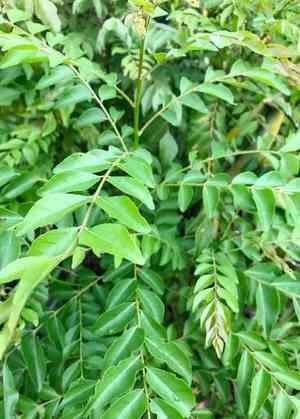
1
The Curry leaf tree is sensitive to cold, indicating it cannot endure temperatures under 5°C (41°F).
2
Curry leaf trees thrive with 6-8 hours of unfiltered sun each day, including inside.
3
Periodically inspect for common pests such as spider mites and aphids, as they often flourish indoors in colder months.
What Does 'Overwinter' Mean for Curry leaf tree?
What Does 'Overwinter' Mean for Curry leaf tree?
Overwintering your Curry leaf tree entails providing suitable care and conditions to ensure its survival through the cold winter months. This process is vital because the Curry leaf tree is a tropical plant from warmer climates and is sensitive to frost. This means it cannot endure freezing temperatures. By following a series of steps, you can help your plant survive the winter and flourish again in spring.
When to Start Overwintering Your Curry leaf tree
Recognizing the Right Time
The optimal time to begin the overwintering process for your Curry leaf tree is in early autumn, prior to the first frost. Generally, this involves moving the plant indoors when nighttime temperatures consistently drop below 10°C (50°F). Monitoring local weather forecasts can assist you in determining the precise timing.
Monitoring Local Weather Patterns
Paying attention to local weather patterns is crucial for determining the appropriate time to bring your plant inside. In most areas, the necessity for overwintering arises from late September to early October. Utilizing a dependable weather application or website can help you track temperature changes and ensure you are ready to act quickly to safeguard your Curry leaf tree.
Preparing Your Curry leaf tree for Winter
Pruning and Cleaning
Before bringing your Curry leaf tree indoors, give it a thorough trim. Remove any dead, damaged, or diseased branches to encourage robust growth. Additionally, wiping the leaves with a damp cloth can help eliminate dust and potential pests. This step is essential for ensuring your plant remains healthy throughout the winter.
Pest and Disease Check
Inspect your Curry leaf tree carefully for pests and diseases before moving it indoors. Common pests include spider mites, aphids, and scale insects. If you discover any, treat the plant with an appropriate organic insecticide or a mixture of water and mild soap. Ensuring your plant is pest-free will prevent infestations from spreading inside.
How to Keep Your Curry leaf tree Indoors During Winter
Ideal Indoor Conditions
When overwintering the Curry leaf tree, it's important to mimic its natural environment as closely as possible. Position the plant in a south-facing window where it can receive at least 6-8 hours of direct sunlight. If natural light is insufficient, consider using a grow light for supplementation.
Managing Light, Temperature, and Humidity
Light is not the sole factor; maintaining a stable temperature is equally vital. Keep the indoor temperature between 20-25°C (68-77°F) during the day, and avoid letting it fall below 10°C (50°F) at night. The Curry leaf tree also prefers a moist environment, so regularly misting the leaves or using a humidity tray can help maintain adequate humidity levels.
Watering and Feeding Your Curry leaf tree in Winter
Proper Watering Techniques
During winter, the Curry leaf treeâs growth slows, and its water requirements decrease. Water the plant sparingly, allowing the soil to dry out slightly between waterings. Overwatering can lead to root rot, a common issue when plants are kept indoors.
Nutrient Needs During Dormancy
Regarding feeding, the Curry leaf tree enters a semi-dormant state during winter, so its need for nutrients is minimal. You can reduce fertilizing to once every 4-6 weeks, using a balanced, water-soluble fertilizer diluted to half strength. This will provide just enough nutrition to keep the plant healthy without promoting excessive active growth.



