How to Overwinter Pink muhly grass
1
Pink muhly grass is resilient and typically tolerates cold, but additional attention promotes more robust spring regrowth.
2
Begin winter preparations for your Pink muhly grass in late fall.
3
Apply organic mulching materials such as straw or wood chips to protect the root system.
Understanding Pink muhly grass Hardiness
Understanding Pink muhly grass Hardiness
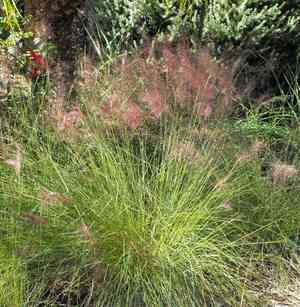
Pink muhly grass is a beautiful perennial known for its delicate, pink plumes that sway in the breeze during late summer and fall. It's resilient and can withstand cold temperatures, typically thriving in USDA hardiness zones 5-9. However, even tough plants require some care to successfully survive winter, especially in areas where winters can be particularly severe. By taking the correct measures, you can ensure your Pink muhly grass returns vibrant and healthy each spring.
Preparing Pink muhly grass for Winter
When to Start Preparing
Timing is critical when it comes to preparing your Pink muhly grass for winter. Begin preparations in late autumn, before the first hard frost arrives. This allows your plant ample time to adapt and prepare for the colder months ahead. Look for indicators such as browning foliage or slowed growth, which signal it's time to begin your winter care routine.
Pruning and Cleaning
Pruning should be performed carefully to avoid harming the plant. Trim away any dead or brown leaves to prevent mold and disease. Clean the base of the plant to remove any debris like fallen leaves or twigs, as these can harbor pests or fungal spores detrimental to the grass's health during winter.
Amending Soil for Winter
Healthy soil leads to a healthy plant. Improve the soil with organic matter such as compost or well-rotted manure to enhance its nutrient content. This strengthens the plant's root system, making it more resistant to cold weather. Ensure the soil drains well to prevent waterlogging, which can freeze and damage roots.
What Are the Best Practices for Mulching Pink muhly grass?
Selecting the Right Mulch
Choosing the appropriate mulch is essential for protecting your Pink muhly grass against the cold. Organic mulches like straw, wood chips, or shredded leaves work best. They decompose over time, adding nutrients back into the soil while providing an insulating layer.
Proper Mulching Technique
Apply a 5-10 cm (2-4 inches) thick layer of mulch around the base of the plant, extending a couple of feet outwards. This sufficiently covers the root zone, providing insulation against temperature fluctuations. Avoid piling mulch directly against the plant's stems to prevent rot.
Watering Needs of Pink muhly grass During Winter
How Much to Water
Watering requirements change as temperatures drop. Pink muhly grass needs less water in winter, but it's vital to ensure the soil remains slightly moistânot too dry or waterlogged. Overwatering can freeze roots, while underwatering can dehydrate them.
Frequency of Watering
Water your Pink muhly grass sparingly, ideally once every couple of weeks, adjusting based on your local climate and soil conditions. Ensure you water in the morning to allow moisture time to absorb before temperatures drop at night.
Protecting Pink muhly grass from Extreme Weather Conditions
Covering and Sheltering Techniques
In regions with extreme winter conditions, additional protection like a burlap wrap or garden fabric cover can be very beneficial. Creating windbreaks with stakes and fabric can shield the plant from harsh winds and frost. Ensure the cover is breathable to prevent moisture buildup and mold.
Signs of Frost Damage and Remediation
Watch for frost damage signs like blackened or mushy leaves. If you notice these, trim the affected areas and apply a fungicide if necessary. Proper winter care minimizes the risk, but early intervention is key to preventing long-term damage.
Monitoring the Health of Pink muhly grass During Winter
Inspection Frequency
Regular inspections are crucial. Check your Pink muhly grass every couple of weeks for signs of stress, pest infestations, or disease. Early detection makes a significant difference in effective management and remedy.
Identifying Common Winter Pests
Common winter pests include spider mites and root gnats. Inspect the plant and soil for any unusual activity. Use natural insecticides or introduce beneficial insects like ladybugs to control minor infestations. For severe problems, consult a local extension office or plant expert.



