How to Overwinter Red mulberry
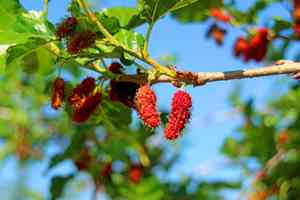
1
Red mulberry trees are resilient to cold and can endure temperatures down to -30°C (-22°F).
2
Strategic pruning of the Red mulberry tree prior to winter can avert harm and encourage robust development in spring.
3
Applying mulch around the base of your Red mulberry tree aids in insulating roots and preserving soil moisture throughout the winter season.
What Does Frost-Hardy Mean for Red mulberry?
What Does Frost-Hardy Mean for Red mulberry?
Winter presents challenges for many plants, but Red mulberry (Morus rubra) trees are known for their hardiness. This means they can endure freezing temperatures and harsh weather without significant harm. Specifically, Red mulberry trees can withstand temperatures as low as -30°C (-22°F). This resilience makes them suitable for various temperate regions, including parts of the United States and Canada. However, being frost-hardy doesn't negate the need for care; proper overwintering strategies will ensure they flourish when spring arrives.
Preparing Red mulberry for Winter
Pruning Techniques
Pruning is a vital step in readying your Red mulberry for winter. The aim is to remove any dead or diseased branches, which can become a weakness during winter storms. Using clean, sharp pruning shears, cut back branches that touch each other or grow inward to enhance air circulation. Focus on trimming in late fall after the tree has shed its leaves, which makes its structure more visible. Proper pruning not only improves the treeâs appearance but also helps prevent snow accumulation on branches, reducing breakage risk.
Soil Preparation
Preparing the soil around your Red mulberry tree is essential for its winter survival. First, clear away any fallen leaves or debris to prevent mold and mildew. Next, test the soil pH; Red mulberry trees prefer slightly acidic to neutral soil (pH 5.5 to 7.0). Adding organic matter like compost can improve soil structure and drainage. Well-drained soil helps to avoid waterlogging, which can lead to root rot. Finally, ensure the tree is well-watered before the ground freezes to provide a moisture reserve for the winter months.
Mulching for Protection
Mulching is an effective way to safeguard the roots of your Red mulberry tree during winter. Apply a 5-10 cm (2-4 inch) layer of organic mulch, such as wood chips or straw, around the base of the tree. Be sure to keep the mulch a few centimeters away from the trunk to prevent rot. The mulch acts as an insulating layer, regulating soil temperature and moisture levels. It also helps reduce soil erosion and prevents the growth of weeds that could compete with your tree for nutrients.
Common Winter Issues and Solutions for Red mulberry
Dealing with Frost Damage
Frost damage can be a significant problem for Red mulberry trees. Signs of frost damage include wilting, blackened leaves, and bark splitting. To protect against frost, consider using frost cloths or burlap to cover the tree during extreme cold spells. If frost damage occurs, wait until spring to prune affected areas. The tree may recover on its own as new growth emerges. Avoid fertilizing in late fall, as this can stimulate new growth that is more susceptible to frost damage.
Managing Root Rot
Root rot is a common issue that can occur if your Red mulberry tree is overwatered or if the soil is poorly drained. Signs of root rot include yellowing leaves, reduced growth, and a mushy texture around the roots. To prevent root rot, ensure the soil is well-drained and avoid overwatering. If you suspect root rot, carefully remove the affected roots and treat the area with a fungicide. Improving soil drainage and proper watering practices can help manage and prevent root rot in the future.



