How to Overwinter Monstera obliqua
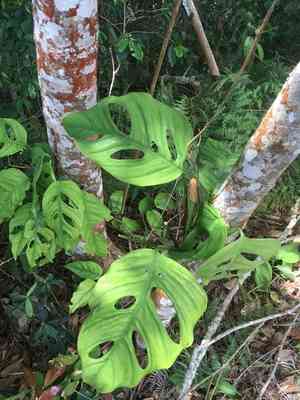
1
Maintain Monstera obliqua in an environment with temperatures ranging from 18-24°C (65-75°F) throughout the winter season.
2
Elevate the atmospheric moisture surrounding your plant to 60% or more to replicate its natural tropical habitat.
3
During winter, irrigate infrequently, permitting the uppermost inch of the potting medium to become dry before rewatering.
What is Overwintering and Why is it Important for Monstera obliqua?
What is Overwintering and Why is it Important for Monstera obliqua?
Overwintering involves helping plants survive colder periods by providing indoor care that mimics their natural habitat. For a tropical plant like Monstera obliqua, native to warm, moist regions, this process is crucial. As a delicate plant not tolerant of frost, ensuring proper indoor conditions will keep your plant robust and ready to flourish when spring arrives.
Preparing Monstera obliqua for Winter
Clean and Inspect the Plant
Before moving your Monstera obliqua indoors for winter, wipe its leaves with a damp cloth to remove dust and potential pests. Carefully examine the plant for any indications of insects or disease. Addressing these problems early prevents them from spreading indoors where conditions might worsen them.
Pruning Monstera obliqua
Pruning helps control the plant's size and remove any dead or damaged foliage. Use sharp, clean scissors or pruners to cut back any yellowing or diseased leaves. This not only enhances the plant's appearance but also prevents disease spread and conserves energy for healthy development.
Soil and Pot Check
Examine the soil for compaction and signs of nutrient depletion. If needed, repot your Monstera obliqua in fresh, well-draining soil. Ensure the pot has drainage holes to prevent waterlogging, which can lead to root rot.
Indoor Conditions for Overwintering Monstera obliqua
Optimal Temperature and Humidity
Monstera obliqua thrives in temperatures between 18-24°C (65-75°F). Keep the plant away from drafty windows and doors, as sudden temperature shifts can stress it. Maintain indoor humidity levels at around 60% or higher. Using a humidifier, placing a water tray nearby, or grouping it with other plants can help boost humidity.
Lighting Requirements
Ensure your Monstera obliqua receives sufficient light. Position it near a north or east-facing window where it can get bright, indirect sunlight. If natural light is limited, consider using a grow light as a supplement.
Watering Schedule
Water Monstera obliqua sparingly during the winter. Allow the top 2.5 cm (1 inch) of soil to dry out between waterings. Overwatering can cause root rot, a common issue during the less active growth period.
Fertilizing Guidelines
Reduce fertilizing your Monstera obliqua in winter. The plant's growth slows during this time, requiring fewer nutrients. Fertilizing once every 6-8 weeks with a balanced houseplant fertilizer is generally adequate.
How to Handle Common Winter Problems with Monstera obliqua?
Dealing with Pests
Upon moving indoors, plants may attract pests like spider mites or aphids. Regularly inspect the undersides of leaves and use insecticidal soap or neem oil to treat infestations. Maintaining high humidity can also deter pests.
Preventing Fungal Diseases
Fungal diseases can flourish in humid indoor environments. Ensure good air circulation around your Monstera obliqua by avoiding overcrowding. Water the soil directly and prevent water from getting on the leaves to inhibit fungal growth.
Addressing Leaf Yellowing
Yellowing leaves might indicate overwatering, insufficient light, or a nutrient deficiency. Adjust your watering routine, ensure adequate lighting, and consider a mild fertilizer if the problem persists. Removing severely yellowed leaves can also be beneficial.
Monitoring Monstera obliqua Health During Winter
Signs of a Healthy Monstera obliqua
Healthy Monstera obliqua plants have shiny, vibrant green leaves. New leaf growth during winter is a positive sign, though growth may be slower. Look for consistent leaf color and the absence of pests or diseases.
Regular Inspection Routine
Adopt a weekly inspection routine to monitor your plant's health. Check the soil moisture, look for signs of pests, and ensure the leaves are clean and dust-free. Promptly address any issues to prevent them from worsening.
When and How to Transition Monstera obliqua Back Outdoors
Gradual Reintroduction to Outdoor Environment
In spring, gradually reintroduce your Monstera obliqua to the outdoor environment. Start by placing it in a shaded, protected spot for a few hours daily, slowly increasing its exposure to direct sunlight. This helps the plant adapt to the changing conditions.
Post-Winter Care Tips
Once outdoors, resume regular watering and fertilizing routines suitable for the growing season. Prune any winter-damaged leaves and check for pests. Transitioning Monstera obliqua back outdoors provides it with optimal conditions for vigorous growth throughout the warmer months.



