How to Overwinter Wild bergamot
1
Wild bergamot is exceptionally resilient and generally tolerates temperatures as low as -29°C (-20°F).
2
Trimming Wild bergamot in autumn's later stages aids the plant in preserving vitality through the winter.
3
Applying mulch is vital for safeguarding the root system of your Wild bergamot throughout severe winter periods.
The Importance of Overwintering Wild bergamot
Why Overwinter Wild bergamot?
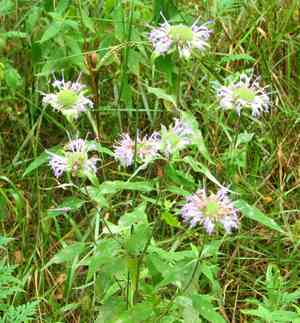
Overwintering Wild bergamot is crucial for its long-term vitality. This perennial herb, recognized for its lovely lavender to pink blooms and aromatic foliage, can endure harsh winters with proper care. By taking the necessary steps to overwinter, you can shield your plant from extreme cold, frost damage, and other winter threats, fostering robust growth in the subsequent season.
Preparing Wild bergamot for Winter
When to Start
Winter preparation should commence in late autumn, typically around late October or early November, depending on your local climate. The objective is to ready your plant before the initial hard frost, giving it the best chance to survive the upcoming cold months.
Pruning and Cleaning
Trimming your Wild bergamot in late fall is essential. Cut back the stems to approximately 10 centimeters (4 inches) from the ground. This helps the plant conserve energy and reduces the likelihood of frost damage. Additionally, clear away any dead leaves and debris around the plant's base to prevent pest infestations and fungal diseases.
Soil and Mulching
A critical step in preparing Wild bergamot for winter is mulching. Apply a thick layer of organic mulch, such as straw or shredded bark, around the plant's base. Aim for at least 8-10 centimeters (3-4 inches) of mulch. This insulates the roots against temperature fluctuations and helps retain soil moisture.
Indoor vs. Outdoor Overwintering
Indoors: Steps and Tips
Overwintering Wild bergamot indoors can be advantageous, especially in regions with severe winters. Position the plant in a cool, but not freezing, room with ample sunlight. Water sparingly, as excessive watering can lead to root rot. Ensure good air circulation to prevent mold and mildew growth.
Outdoors: Strategies and Preparation
If you opt to overwinter your Wild bergamot outdoors, ensure it is well-prepared. In addition to pruning and mulching, consider covering the plant with a frost cloth or burlap for extra protection during severe cold snaps. Make sure the soil is well-drained to prevent waterlogging, which can freeze and harm the roots.
Common Challenges and Solutions in Overwintering Wild bergamot
Preventing Frost Damage
The primary concern when overwintering Wild bergamot is frost damage. Using mulch and frost covers can lessen this risk. Ensure your plant is not exposed to direct drafts and that the soil remains insulated.
Dealing with Pests
Pests, such as aphids and mites, can still be an issue in winter. Regularly inspect your plant and manually remove any pests. Use an insecticidal soap solution if necessary, but avoid chemical pesticides, which can harm the plant.
Managing Moisture Levels
Maintaining appropriate moisture levels is crucial. While Wild bergamot doesn't require much water in winter, the soil should not become completely dry. Water sparingly, ensuring the soil remains slightly moist but not waterlogged.



