How to Overwinter Chinese silver grass
1
Chinese silver grass tolerates cold well and can endure low temperatures if cared for correctly.
2
Apply natural mulches such as hay to shield Chinese silver grass from freezing.
3
Consistently check soil dampness to avoid root decay and promote robust winter development.
Understanding Chinese silver grass
Understanding Chinese silver grass
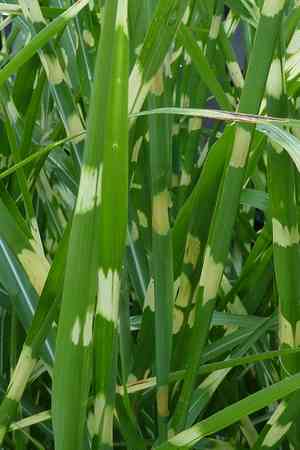
Renowned for its striking foliage and fluffy plumes, Chinese silver grass (Miscanthus sinensis) is a popular ornamental grass utilized to add texture and movement to gardens. This robust perennial can flourish in diverse soil conditions and is both drought-tolerant and resistant to frost. Primarily found in temperate regions, Chinese silver grass is valued for its low maintenance and ability to enhance garden aesthetics with its tall, elegant appearance.
Preparing Chinese silver grass for Winter
When to Start Preparing
It's crucial to begin your winter preparations for Chinese silver grass as early as late autumn, around the time temperatures start to fall below 10°C (50°F). Early preparation helps ensure your plants are adequately shielded before the harshest weather arrives.
Necessary Tools and Materials
To effectively prepare Chinese silver grass for winter, you'll require some basic tools and supplies. These include gardening gloves, pruning shears, thick mulch (straw or leaves work well), and burlap for insulation. Other useful items might be stakes and ties to secure the burlap around the plants.
Trimming and Cutting Back
Late autumn is the perfect time to trim Chinese silver grass. Cut the stalks back to approximately 15-20 cm (6-8 inches) above the ground. This minimizes the risk of snow damage and simplifies mulching. Always use clean, sharp pruning shears to avoid harming the stems.
Mulching Techniques
Mulching is vital for safeguarding Chinese silver grass roots from freezing temperatures. Spread a thick layer of organic mulch, about 5-7 cm (2-3 inches) deep, over the base of the plants. This insulates the soil, retains moisture, and adds nutrients as it breaks down.
Protecting Chinese silver grass from Frost
Choosing the Right Mulch
Select organic mulches such as straw, leaves, or wood chips. These materials offer excellent insulation and decompose naturally over time, enriching the soil. Avoid using heavy materials, as they can compact the soil and impede water drainage.
Insulating with Burlap Wrap
For additional frost protection, consider wrapping your Chinese silver grass in burlap. This breathable material provides extra insulation without restricting airflow. Secure the burlap with twine or garden ties to ensure it remains in place throughout the winter.
Watering Practices in Winter
Even in winter, your Chinese silver grass requires water. Water less frequently but deeply to ensure the soil stays moist but not waterlogged. Aim to water every 3-4 weeks, depending on rainfall and soil moisture levels.
Maintaining Chinese silver grass Health During Winter
Monitoring Soil Conditions
Regularly check the soil around your Chinese silver grass to ensure it remains moist and well-drained. Avoid letting the soil completely dry out, as this can stress the plant and make it more vulnerable to damage.
Checking for Pests and Diseases
Inspect your plants for indications of pests or diseases, such as discoloration, spots, or frayed edges. Address any issues promptly by removing affected leaves and utilizing appropriate organic treatments.
Preventing Frost Damage
In addition to mulching and burlap wrapping, consider employing frost blankets on particularly cold nights. These can be draped over the plants to provide an extra layer of protection against sudden temperature drops.
Spring Revival of Chinese silver grass
When to Remove Winter Protections
As temperatures consistently rise above freezing in early spring, it's time to gradually remove winter protections like mulch and burlap. Remove these layers slowly to allow the plant to acclimate.
Nurturing New Growth
Encourage new growth by gently loosening the soil around the plant and adding a light layer of compost. This helps boost nutrient levels and supports healthy springtime growth.
Feeding and Fertilizing
After the risk of frost has passed, begin a regular fertilizing schedule. Use a balanced, slow-release fertilizer to provide essential nutrients and promote vigorous growth throughout the growing season.



