How to Overwinter Dawn redwood
1
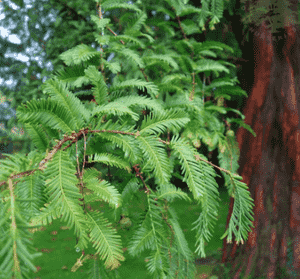
The Dawn redwood is a conifer that sheds its needles annually.
2
Juvenile Dawn redwoods are more susceptible to cold weather damage compared to older specimens.
3
Adequate mulching aids in safeguarding Dawn redwood roots from frost.
Understanding Dawn redwood's Frost Hardiness
Understanding Dawn redwood's Frost Hardiness
The Dawn redwood is a captivating tree with ancient origins, tracing back to the dinosaur era. Despite its historical roots, it has adapted well to current climates, thriving in USDA zones 4 through 8. This indicates its ability to withstand temperatures as low as -34°C (-30°F). However, young trees are more vulnerable to frost damage, necessitating extra care during their initial years.
Preparing Your Dawn redwood for Winter
Optimal Planting Location
Selecting the correct site is crucial for the long-term health of your Dawn redwood. Ideally, position it in an area receiving full sun to partial shade, shielded from strong winds. Avoid low-lying spots where cold air and frost tend to accumulate.
Soil Preparation
Prepare the soil well in advance by incorporating organic matter such as compost to enhance drainage and fertility. The Dawn redwood prefers moist, well-draining soil with a slightly acidic to neutral pH (6.0-7.5). A good soil structure aids root resistance to extreme cold.
Pruning and Maintenance
Trim your Dawn redwood before the first frost to remove any dead or diseased branches. This not only helps maintain the tree's form but also reduces the risk of winter ailments. Always use clean, sharp pruning tools for precise cuts.
Watering Guidelines
Ensure your Dawn redwood is adequately watered before winter, as dry conditions can worsen cold stress. Aim for deep watering before the ground freezes, providing approximately 2-4 cm (1-1.5 inches) of water weekly. Mulching can also assist in moisture retention.
How to Protect Young Dawn redwood Trees in Winter
Mulching for Insulation
Apply a thick layer of mulch around the base of young Dawn redwoods. Utilize organic materials like wood chips or straw, spreading it about 5-10 cm (2-4 inches) deep, ensuring it's kept a few centimeters away from the trunk to prevent rot. Mulch acts as an insulating layer, safeguarding roots from freezing temperatures.
Using Tree Wraps
Tree wraps can be vital for young Dawn redwoods during their first few years. These protective coverings help shield the bark from frost cracks caused by rapid temperature changes. Apply the wrap from the ground up to the first branches, ensuring it is snug but not overly tight.
Creating Windbreaks
Strong winter winds can dehydrate and harm young trees. Consider erecting windbreaks using burlap screens or planting evergreen shrubs around your Dawn redwood. These barriers decrease wind speed and create a more stable microclimate.
Common Winter Pests and Diseases
Identifying Frost Damage
Frost damage can appear as bark splitting, discolored needles, and dieback. Regularly inspect your Dawn redwood and implement preventive measures like mulching and watering to lessen this damage.
Preventing Winter Pests
While Dawn redwoods are relatively pest-resistant, winter can attract rodents and insects seeking refuge. Employ rodent repellents and keep the area around the tree clean to minimize pest infestations.
Managing Root Rot
Winter moisture can sometimes lead to root rot. Ensure proper drainage around your Dawn redwood and prevent waterlogging by appropriately spacing watering intervals.
Post-Winter Care for Dawn redwood
Checking for Winter Damage
As spring arrives, thoroughly inspect your Dawn redwood for any winter damage. Look for broken branches, frost cracks, and signs of pest infestation. Prompt action will aid your tree's quicker recovery.
Spring Pruning Tips
Spring is the ideal time to prune your Dawn redwood. Remove any damaged or dead branches to encourage healthy new growth. Pruning in early spring also helps shape the tree and prepares it for the growing season.
Fertilization and Soil Amendments
Fertilize your Dawn redwood in the spring to provide a nutrient boost. Use a balanced, slow-release fertilizer and follow it with a light layer of compost. Soil amendments like sulfur can help maintain an ideal pH if necessary.



