How to Overwinter Baby sun rose
1
Baby sun rose is a delicate plant, so it's essential to protect it from cold during winter in areas experiencing frost.
2
Place Baby sun rose in a spot with ample indirect illumination throughout the winter season to preserve its lively foliage.
3
Consistent observation and limited irrigation can help avoid root decay while overwintering.
What is Baby sun rose?
What is Baby sun rose?
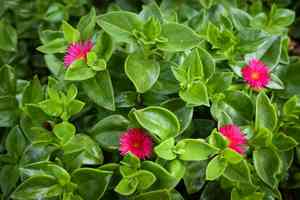
The Baby sun rose, scientifically named Mesembryanthemum cordifolium, is a charming and appealing succulent plant prized for its vibrant, small blossoms and heart-shaped, plump foliage. Originating from South Africa, it flourishes in warm environments and can be cultivated both inside and outside. Nevertheless, as a delicate plant, it is vulnerable to cold and frost, requiring specific attention, especially during the colder seasons.
Step-by-Step Guide to Overwintering Baby sun rose
Inspect and Prepare the Plant
Start by carefully examining your Baby sun rose for any indications of pests, illnesses, or damaged foliage. Remove any dead or yellowed leaves, and address any pest problems with suitable treatments. A robust plant has a greater likelihood of flourishing through the winter period.
Choosing the Right Location
If relocating the Baby sun rose indoors, pick a spot where it can get ample indirect light. A bright, south-facing window is perfect. For outdoor overwintering, a protected area near the dwelling or in a greenhouse can provide extra defense against the cold.
Watering and Fertilization Needs
Watering requirements will lessen during winter. Make sure the soil stays barely damp, adjusting irrigation frequency to prevent waterlogging and root decay. Generally, watering once every 2-3 weeks should be enough. Halt fertilization during the winter months, as the plant's growth will considerably slow down.
Managing Light Conditions
While Baby sun rose appreciates sunlight, the winter sun can be quite weak. Ensure the plant receives at least 4-6 hours of indirect light daily. If natural light is inadequate, think about using grow lights for supplementation.
Pest and Disease Control
Indoor environments might attract pests like spider mites or aphids. Periodically check the plant and soil surface for pests and act promptly if any are found. Clean the leaves with a moist cloth and use natural insecticidal soap if needed.



