How to Overwinter Virginia bluebells
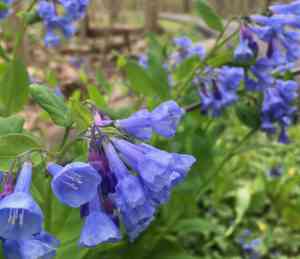
1
Virginia bluebells are resilient plants, capable of enduring harsh winters with appropriate attention.
2
Winterization encompasses various actions such as readying the soil, applying mulch, watering, and offering protective covers.
3
Understanding the optimal period to begin winter preparations is vital for the well-being of your Virginia bluebells.
The Importance of Overwintering Virginia bluebells
Why Overwintering Virginia bluebells is Important
Overwintering Virginia bluebells is vital for guaranteeing these charming perennials flower beautifully in spring. Although they are robust and can endure cold temperatures, providing them with extra care during colder months helps them conserve energy and stay healthy. Without proper overwintering, your Virginia bluebells might suffer root damage, dehydration, or even perish. Therefore, understanding and applying overwintering methods can significantly impact their survival and vitality come springtime.
When to Begin Winter Preparation
Recognizing the Right Time
The optimal time to start preparing your Virginia bluebells for winter is in late autumn, prior to the initial hard frost. Typically, this occurs when daytime temperatures consistently drop below 15°C (59°F). You will observe that the foliage of the Virginia bluebells will start to yellow and die back, indicating the plants are entering dormancy. This is the perfect period to initiate your overwintering process.
Steps to Overwinter Virginia bluebells
Step 1: Soil Preparation
Begin by preparing the ground around your Virginia bluebells. Ensure the soil drains well, as wet, saturated conditions can lead to root rot during winter. If necessary, amend the soil with compost or other organic matter to enhance its structure and drainage. You might also want to lightly till the soil to aerate it and remove any weeds that could compete with the bluebells for nutrients.
Step 2: Mulching Techniques
Mulching is one of the most effective strategies for safeguarding Virginia bluebells in winter. Spread a thick layer (approximately 5-10 cm or 2-4 inches) of mulch, such as shredded leaves, straw, or wood chips, over the root zone. This helps insulate the soil, keeping it warmer and stabilizing its temperature. It also retains moisture and prevents weed growth. Ensure the mulch covers the entire planting area but avoid piling it directly against the plant stems.
Step 3: Watering Strategies
While watering requirements decrease during winter, itâs crucial to keep the soil slightly damp. Before the ground freezes, give your Virginia bluebells a thorough watering to ensure they enter dormancy with sufficient moisture. Afterward, check the soil periodically; if it's dry to the touch, provide a light watering. However, be careful not to overwater as this can result in waterlogged soil and root diseases.
Step 4: Protective Coverings
In extremely cold regions, additional protective measures might be necessary. You can use frost blankets, burlap, or horticultural fleece to cover your Virginia bluebells. These coverings provide an extra layer of insulation against harsh winter winds and temperature fluctuations. Secure the coverings with stakes or weights to ensure they remain in place and offer consistent protection.
How to Inspect Virginia bluebells in Winter
Signs of Healthy Plants
During winter, healthy Virginia bluebells should possess firm roots and a dormant crown (the plant's base). The mulch should stay intact, and the soil should retain some moisture. If you briefly uncover the mulch, look for signs of mold or moisture to confirm optimal conditions.
Identifying Problems
Be vigilant for any indications of trouble. Mushy or decaying roots suggest overwatering or poor drainage, while dry, brittle roots point to under-watering. Mold or fungus on the mulch surface can also signal excessive moisture. Address any issues promptly to prevent further damage.
Reviving Virginia bluebells in Spring
Preparing for Growth
As spring approaches and temperatures begin to rise above freezing, gradually remove the protective coverings and some of the mulch. This allows the plants to acclimate and prevents shock from sudden exposure to warmth.
First Steps After Winter
Once the risk of frost has passed, remove all protective materials and give your Virginia bluebells a light watering. Inspect the plants thoroughly for any damage or disease and prune if necessary. A balanced, slow-release fertilizer can provide the essential nutrients to jumpstart new growth, ensuring a vibrant display of blooms.



