How to Overwinter Mango tree
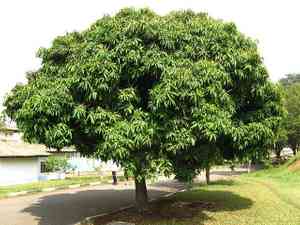
1
A Mango tree can flourish inside or outside, though it requires diligent attention to prosper in cooler environments.
2
Protecting the Mango tree during winter is essential, particularly in areas where temperatures fall below 40°F (4.4°C).
3
Applying mulch aids in preserving soil hydration and offers root protection throughout the winter season.
The Importance of Overwintering for the Mango tree
The Importance of Overwintering for the Mango tree
Overwintering is a vital process to guarantee the survival and well-being of your Mango tree during colder periods. As a tropical plant, the Mango tree is particularly vulnerable to frost and low temperatures. Without adequate safeguarding, the tree can suffer from cold-related harm, leading to stunted growth, reduced fruit yield, and in severe instances, demise.
Getting Your Mango tree Ready for Winter
Assessing Tree Health
Before winter arrives, examine your Mango tree for any indications of stress or illness. Look for pests, dead limbs, and any unusual alterations in leaf color or texture. A robust tree is better equipped to withstand and recover from winter's challenges.
Pruning Guidelines
Trimming your Mango tree before winter helps maintain its form and removes any dead or damaged branches. This lessens the chance of branches breaking under the weight of snow or ice. Ensure you use clean, sharp tools for precise cuts, which promotes better healing.
Soil and Mulching Techniques
Mulching is an excellent method to shield your Mango tree's roots from freezing temperatures. Apply a thick layer of organic mulch, such as wood chips or straw, around the base of the tree. This helps retain soil moisture and provides insulation, keeping the roots warmer during cold spells.
Indoor Overwintering Strategies for Mango tree
Suitable Indoor Conditions
If you plan to bring your Mango tree indoors, find a location with ample sunlight, as the tree requires at least 6-8 hours of light daily. A south-facing window or a room with good natural light is ideal. Ensure the temperature stays between 60-70°F (15-21°C) to mimic its natural environment.
Watering and Humidity Management
Indoor environments can be drier than outdoors, so it's crucial to monitor humidity levels. Use a humidifier or place a tray of water near the tree to maintain humidity. Water the tree thoroughly when the top inch (2.5 cm) of soil feels dry, but avoid overwatering, as this can lead to root rot.
Lighting Requirements
Supplement natural light with grow lights if necessary. Mango tree needs bright, indirect light to flourish. Position grow lights about 6-12 inches (15-30 cm) above the tree and set them on a timer to ensure the plant receives adequate light throughout the winter.
Outdoor Overwintering Techniques for Mango tree
Frost Protection Methods
Outdoor Mango tree requires protection from frost. Cover the tree with frost cloths or blankets during cold nights. You can use stakes to create a tent-like structure, ensuring the covering does not directly touch the leaves, as this can cause damage.
Preparing Windbreaks
Wind can intensify the cold stress on your Mango tree. Create windbreaks using burlap screens or plant sturdy shrubs around the tree to shield it from strong winds. This also helps in keeping the temperature around the tree slightly higher.
Using Cold Frames or Cloches
Cold frames or cloches are valuable tools for protecting young Mango tree from extreme cold. These structures create a microenvironment that retains heat and humidity, providing a more stable climate for your tree during the winter months.
Common Issues when Overwintering Mango tree
Identifying Cold Damages
Cold damage on Mango tree can appear as browning or blackening of leaves, brittle branches, or dieback. Inspect your tree regularly for these signs and take immediate action to prevent further damage. Prune away any affected areas to encourage new growth.
Pest and Disease Management
Winter can also bring about pest and disease problems. Indoors, watch for pests like spider mites and scale insects. Use insecticidal soap or neem oil to treat infestations. Outdoors, ensure good air circulation and avoid overwatering to prevent fungal infections.
Transitioning Your Mango tree Back Outdoors
Timing of Relocation
The best time to move your Mango tree back outdoors is when the risk of frost has passed, generally when nighttime temperatures are consistently above 50°F (10°C). Gradual exposure to outdoor conditions helps prevent shock.
Gradual Acclimatization
Begin by placing the tree in a shaded area for a few hours each day, gradually increasing the time and sunlight exposure over 1-2 weeks. This helps your Mango tree acclimate to the change in environment and reduces stress.



