How to Overwinter Spiny pincushion cactus
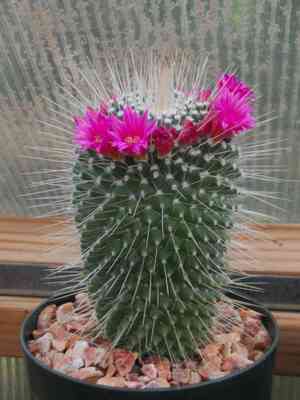
1
The Spiny pincushion cactus is susceptible to frost damage, indicating its inability to withstand freezing conditions.
2
Winter care entails decreasing irrigation and sustaining a consistent indoor temperature of approximately 10°C-15°C (50°F-59°F).
3
Sufficient illumination is essential. A bright window facing south or additional grow lights are perfect.
Why is Overwintering Crucial for Spiny pincushion cactus?
Why is Overwintering Crucial for Spiny pincushion cactus?
The Spiny pincushion cactus originates from arid and semi-arid zones, flourishing in warm, dry environments. However, it is susceptible to frost, making protection from freezing temperatures vital. Overwintering is key to preventing cold damage, which can lead to rot or death. Proper overwintering creates a stable environment mimicking its natural habitat, ensuring the plant's health and longevity through colder periods.
Preparing Spiny pincushion cactus for Winter Dormancy
Inspecting the Plant for Pests and Diseases
Before moving your Spiny pincushion cactus indoors, thoroughly check for pests and diseases. Look for indications of aphids, spider mites, or fungal infections. Address any issues immediately with suitable biocides or natural remedies. Removing affected parts can also help prevent indoor disease spread.
Cleaning the Cactus
Clean your cactus by gently brushing off dust and debris using a soft brush or compressed air. This enhances the plant's health and its ability to photosynthesize. Be careful not to harm the spines or the cactus body during this process.
Adjusting Watering Practices
Significantly reduce watering as you bring the cactus indoors. During winter, Spiny Pincushion Cacti need minimal water, only once a month or less. Ensure the soil is completely dry between waterings to prevent root rot. Using well-draining soil can simplify this management.
Where to Position Your Spiny pincushion cactus During Winter?
Choosing the Right Indoor Location
Place your cactus in a cool, dry spot within your home. Avoid areas with significant temperature fluctuations, such as kitchens or bathrooms. Ideal locations are spare rooms or insulated garages where temperatures stay around 10°C-15°C (50°F-59°F).
Ensuring Adequate Lighting
Sufficient lighting is vital for your cactusâs photosynthesis and overall well-being. Position it near a south-facing window where it can receive ample sunlight. If natural light is insufficient, consider using grow lights to supplement, keeping them on for about 12-14 hours daily.
How to Monitor Spiny pincushion cactus During the Winter Months?
Checking Soil Moisture Levels
Regularly check soil moisture to ensure it remains dry. Use a moisture meter or simply insert your finger into the soil about 2.5 cm (1 inch) deep. If it feels dry, then itâs appropriate to lightly water, but avoid overwatering at all costs.
Observing for Signs of Stress
Monitor your cactus for any indications of stress, such as discoloration, softness, or dropping segments. If you notice any of these symptoms, evaluate the environmental conditions, including light, temperature, and humidity, and make necessary adjustments to improve the plant's health.



