How to Overwinter Star magnolia
1
Applying mulch is crucial for safeguarding Star magnolia roots over winter.
2
Star magnolia tolerates frost well but still needs proper winterization.
3
Sufficient watering before the soil hardens helps it survive the cold season.
Understanding Star magnolia Frost Hardiness
Understanding Star magnolia Frost Hardiness
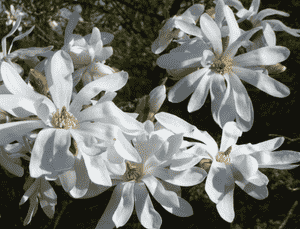
The Star magnolia is a lovely deciduous shrub or small tree recognized for its striking, star-shaped blossoms. Originating from Japan, this plant exhibits frost tolerance, meaning it can endure cold weather conditions better than other magnolias. However, despite its resilience, it still needs proper care to flourish through harsh winters. Grasping its frost tolerance is the initial step in ensuring your Star magnolia stays healthy and vibrant. While this plant can withstand freezing temperatures, it's the inconsistent conditions, particularly in late winter, that can pose a threat. Therefore, it's vital to prepare appropriately.
Preparing Star magnolia for Winter
When to Start Winter Preparation
Begin preparing your Star magnolia for winter in early to mid-autumn. Timing is critical; if you start too soon, the plant might not harden off correctly, making it vulnerable to frost damage. Conversely, starting too late may not provide enough time for it to adapt. Watch for the initial signs of autumn, such as falling leaves and cooler evenings, as cues to commence your preparations.
Tools and Materials Needed
To get your Star magnolia ready for winter, you'll require: Mulch (e.g., wood chips, straw) Pruning shears or garden scissors Burlap or frost cloth for wrapping Stakes to secure burlap Watering can or garden hose These items will assist you in adequately safeguarding your plant against the severe winter elements.
Pruning the Star magnolia
Pruning your Star magnolia is a crucial step in winter preparation. Start by removing any dead or diseased branches to lessen the risk of infection and breakage from heavy snow. Cut back any branches that cross or crowd the center to enhance air circulation and light penetration. Pruning should be done carefully to avoid harming healthy tissues, and using sanitized tools can minimize the risk of spreading diseases.
Protecting Star magnolia in Harsh Winter Conditions
Using Mulch for Root Protection
Mulching is one of the most effective ways to safeguard the roots of your Star magnolia during winter. Apply a thick layer (approximately 5-10 cm or 2-4 inches) of mulch around the base of the plant, extending to the drip line. This will help insulate the roots against temperature fluctuations and retain moisture. However, avoid piling mulch directly against the trunk, as this can lead to rot.
Shielding the Trunk and Branches
To further protect your Star magnolia, consider wrapping the trunk and branches with burlap or frost cloth. This provides an extra layer of insulation and shields the plant from cold winds and snow. Secure the burlap with stakes or ties, ensuring it is snug but not too tight to avoid damaging the branches.
Watering Practices in Winter
Proper watering is essential even in winter. Before the ground freezes, give your Star magnolia a thorough watering. This helps ensure the roots have sufficient moisture to draw from during the winter months. Water early in the day to allow the plant to absorb the moisture before temperatures drop at night. Once the ground is frozen, reduce watering to prevent waterlogging and root rot.
Monitoring Star magnolia Throughout Winter
Signs of Stress and Damage
Regularly inspect your Star magnolia for indications of stress and damage throughout the winter. Look for cracked or split bark, discolored leaves, or wilting branches. These signs can point to cold damage or underlying issues such as pests or diseases. Early detection allows for timely intervention, potentially saving the plant from further harm.
How to Address Winter Damage
If you observe any damage, act promptly. For minor issues like broken branches, simply prune them off to prevent further damage. For more significant problems like trunk splits, consider applying a wound sealant to protect against infections. If the plant shows signs of severe stress, such as extensive dieback or fungal infections, consult with a local extension office or a professional arborist for further advice.
Early Spring Care for Star magnolia
Removing Winter Protection
As spring approaches and frost risks lessen, begin removing the burlap or frost cloth from your Star magnolia. Gradually remove the mulch to prevent sudden exposure to fluctuating spring temperatures. This gradual process allows the plant to acclimate to the changing weather conditions without shock.
First Pruning and Feeding
Spring is the ideal time for your Star magnolia's initial pruning and feeding. Trim off any winter-damaged branches and shape the plant as needed. Apply a balanced fertilizer (following the package instructions) to encourage new growth and prepare the plant for the blooming season ahead. Regular feeding during the growth period ensures your Star magnolia remains healthy and vibrant after a long winter.



