How to Overwinter Osage orange
1
Osage orange trees possess significant frost resistance, tolerating temperatures down to -23°C (-10°F).
2
Their wood is exceptionally dense, ranking among the toughest indigenous North American timber.
3
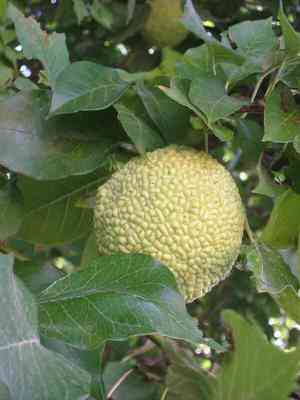
The fruit is unsuitable for human consumption but functions as an organic insect deterrent.
Understanding Osage orange Winter Hardiness
Understanding Osage orange Winter Hardiness
The Osage orange (Maclura pomifera) is a robust tree capable of enduring various harsh weather conditions, making it an ideal selection for areas experiencing cold winters. This deciduous tree originates from North America and is renowned for its durability. Nevertheless, even the toughest plants benefit from a bit of extra attention during the coldest periods. Comprehending the winter resilience of the Osage orange is crucial for ensuring your tree not only survives but flourishes through the winter.
Preparing Osage orange for Winter
When to Start Preparing
Winter preparation should commence in late autumn, as soon as the leaves begin to change color. This indicates the tree is entering its dormant phase and is ready for the upcoming cold months. It's vital to establish a timeline early enough to safeguard the tree before the initial frost arrives.
Essential Supplies for Overwintering
To winterize an Osage orange, you'll need a few key items: burlap or frost cloths, mulch, and stakes for securing protective covers. These materials can help shield the tree from harsh winds and frost. Mulch is essential for insulating the roots, while frost cloths or burlap can protect the branches and trunk.
Soil and Mulch Recommendations
A layer of mulch, approximately 5-10 cm (2-4 inches) deep, should be applied around the tree's base to help retain soil moisture and regulate temperature. Organic mulch like straw, wood chips, or compost is perfect for this purpose. This insulation aids in keeping the roots warm and prevents them from freezing.
How to Protect Osage orange From Extreme Cold
Using Burlap or Frost Cloths
Covering your Osage orange with burlap or frost cloths can significantly lessen exposure to freezing temperatures. Ensure the covering extends to the ground and is firmly anchored to prevent it from being dislodged by wind. This covering acts as a barrier, trapping heat and providing some degree of warmth.
Importance of Site Selection
Choosing the appropriate location for your Osage orange is also vital for its winter survival. Plant the tree in a spot naturally shielded from strong winds, such as near structures or a natural windbreak. This placement can reduce exposure to damaging winds and frost.
Windbreaks and Barriers
Creating windbreaks or barriers using other plants or structures can help protect your Osage orange from the cold. Fences, walls, or even other trees and shrubs can serve as effective windbreaks, reducing wind speed and insulating your tree.
What to Do During Winter Dormancy
Monitoring Soil Moisture
During the winter months, it's important to check the soil moisture around your Osage orange. Even though the tree is dormant, its roots still require some water. If the ground is dry, water the tree thoroughly before the soil freezes to ensure the roots have sufficient moisture.
Pest and Disease Checks
Regularly inspect your Osage orange for signs of pests and diseases, even during winter. Dormant trees can still be vulnerable to infestations or infections. Remove any dead or diseased wood and address any issues promptly to prevent them from worsening.
Pruning Guidelines
Winter is an excellent time to prune your Osage orange because the tree is dormant. Pruning helps shape the tree, remove dead or damaged branches, and encourages healthy growth in the spring. Use clean, sharp tools to make precise cuts and avoid harming the tree.
Preparing Osage orange for Spring
Gradual Acclimatization
As winter transitions to spring, gradually acclimate your Osage orange to the changing conditions. Remove protective coverings slowly over several days to avoid shocking the tree. This gradual exposure helps the tree adjust to the new conditions without stress.
Fertilization Needs
Spring is the time to begin fertilizing your Osage orange. Use a balanced fertilizer to support new growth. Follow the recommended dosage on the fertilizer package to avoid over-fertilizing, which can harm the tree.
Resuming Regular Watering Schedule
Once the risk of frost has passed and temperatures begin to rise, resume a regular watering schedule for your Osage orange. Maintain consistent moisture levels to support the tree's growth and development throughout the warmer months.



