How to Overwinter Large yellow loosestrife
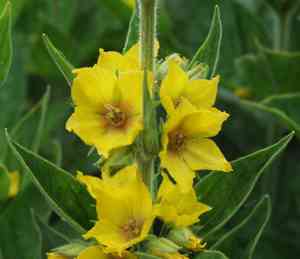
1
Large yellow loosestrife tolerates cold, enduring typical temperatures in USDA Hardiness Zones 4-8.
2
Applying mulch prevents soil from lifting due to freezing and thawing.
3
Strategic pruning in late autumn promotes vigorous spring development.
Understanding Frost Hardiness of Large yellow loosestrife
Understanding Frost Hardiness of Large yellow loosestrife
The Large yellow loosestrife (Lysimachia punctata) is a robust perennial plant recognized for its striking yellow blooms. Originating from Eurasia, this plant is perfectly suited for USDA Hardiness Zones 4-8, indicating its frost resilience. Its capacity to endure temperatures below -29°C or -20°F makes it a dependable option for gardeners in colder regions. However, despite its hardiness, specific winter care practices ensure its flourishing in spring. Grasping frost hardiness is crucial for knowing when and how to safeguard your plants during severe weather.
Preparing Large yellow loosestrife for Winter
When to Start Preparation
Preparing your Large yellow loosestrife for winter should ideally commence in mid to late autumn, typically around October as temperatures begin to fall. This allows the plant ample time to enter dormancy and acclimate before encountering colder weather. The precise timing may vary slightly based on your specific climate, but the general guideline is to start when daytime temperatures consistently drop below 10°C (50°F).
Pruning Techniques
Pruning your Large yellow loosestrife in late autumn is vital for its health and vigor. Cut back the stems to approximately 5-8 cm (2-3 inches) above ground level. This minimizes the risk of winter damage and prevents diseases. Avoid aggressive pruning as it can stimulate new growth, which is more vulnerable to frost damage. Instead, aim for a moderate trim to neaten the plant while keeping its root system healthy and protected.
Mulching Methods
Mulching is one of the most effective ways to insulate your Large yellow loosestrife against winter cold. Apply a 5-7.5 cm (2-3 inch) thick layer of organic mulch, such as straw, pine needles, or shredded bark around the plant's base. Mulching helps maintain soil moisture and regulate soil temperature, reducing the risk of freezing and thawing cycles that can harm the roots. Ensure to keep mulch away from the plant's crown to prevent rot.
Protecting Large yellow loosestrife From Extreme Cold
Using Frost Covers
Frost covers are an excellent investment for safeguarding Large yellow loosestrife during unexpected cold snaps. These breathable fabrics allow moisture and light to reach the plant while insulating it against frost. Simply drape the frost cover over the plant, ensuring it reaches the ground to trap heat. Use stakes or rocks to secure the cover and prevent it from being blown away.
Ideal Locations For Shelter
Choosing the right location for your Large yellow loosestrife can significantly impact its survival during winter. Plant it in a sheltered spot away from harsh, drying winds, such as near a wall or fence. This natural windbreak provides additional protection and reduces the risk of desiccation. If you have potted Large yellow loosestrife, move them to a protected area like an unheated garage or shed.



