How to Overwinter Wild Perennial Lupine
1
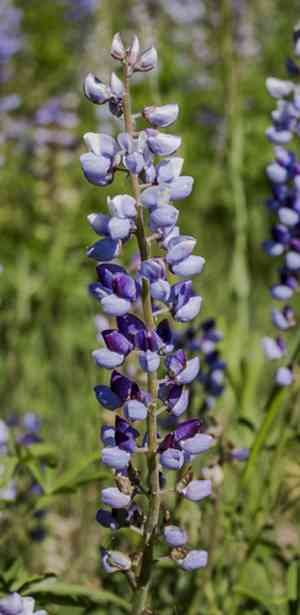
Wild Perennial Lupine is resilient and endures severe winter weather when given appropriate attention.
2
Applying mulch is essential for insulation and safeguarding root systems from intense cold.
3
Start winterizing in late autumn to guarantee the best defense for your Wild Perennial Lupine.
Understanding Overwintering
What is Overwintering?
Overwintering involves preparing plants to endure the winter season, ensuring their health and readiness to thrive in spring. This includes steps like trimming, mulching, and sometimes relocating plants to shield them from severe weather. For Wild Perennial Lupine, overwintering is vital for maintaining its vibrant blooms and robust growth in the subsequent growing season.
Detailed Guide to Overwintering Wild Perennial Lupine
Assessing Plant Health
Begin by examining your Wild Perennial Lupine for any indications of illness, pests, or damage. Look for discoloration, leaf holes, or unusual wilting. Addressing these issues before winter is crucial, as a weakened plant is more vulnerable to cold stress.
Trimming and Tidying
Remove any dead or damaged foliage from the plant. This reduces disease risk and promotes healthier spring growth. Avoid severe cutting, as leaves offer some crown protection in winter. Also, clear the surrounding area of fallen leaves and debris, which can harbor pests and diseases.
Soil Enrichment
Improve the soil by adding organic matter such as compost. This enhances soil structure and ensures your Wild Perennial Lupine has access to vital nutrients even in winter. Good drainage is especially important, as waterlogged conditions can cause root rot.
Mulching for Insulation
Apply a thick layer of mulch, about 5-7 centimeters (2-3 inches), around the plant's base. Materials like straw, wood chips, or dry leaves are effective. Mulch insulates, keeping roots warm and protecting them from frost. Ensure even spread, but avoid piling it too high against the stem to prevent rot.
Winter Watering
While Wild Perennial Lupine requires little water in winter, the soil should remain slightly moist, especially before freezing. Deep watering once or twice before the first major frost helps the plant retain moisture during dry winter months. However, avoid overwatering to prevent root rot.
Monitoring Frost
Keep track of local weather forecasts for frost. If severe frost or a freeze is predicted, consider adding extra protection with frost blankets or burlap. Covering the plant shields it from extreme cold and helps preserve its structure until warmer weather returns.



