How to Overwinter European honeysuckle
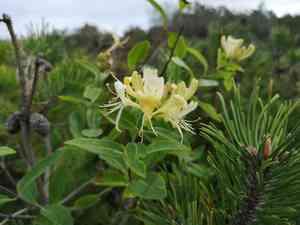
1
European honeysuckle tolerates cold well, making it a robust plant for various areas.
2
Trimming in late fall readies European honeysuckle for winter by encouraging stronger development.
3
Applying mulch is vital to safeguard European honeysuckle's root systems in chilly periods.
Understanding European honeysuckle Frost Hardiness
Understanding European honeysuckle Frost Hardiness
Gardeners often value the European honeysuckle for its vibrant blooms and sweet scent. A notable characteristic is its frost resilience, meaning it can endure cold temperatures that would harm or kill less robust plants. However, knowing its limits is vital. While it is hardy, extreme temperature drops can still cause harm, especially to young or weak plants. Therefore, taking proper steps to safeguard it through winter is crucial.
Preparing European honeysuckle for Winter
When to Start Winter Preparations?
The optimal time to begin preparing your European honeysuckle for winter is in late autumn, typically from late October to early November. This allows the plants ample time to adapt before the first frost arrives. If you observe leaves beginning to fall or weather forecasts predict the initial frost, it's time to commence your preparations.
Pruning the European honeysuckle
Late autumn pruning helps in two key ways: it reduces the plant's size, making it easier to cover and protect, and it promotes healthy growth for the subsequent season. Trim back excessively long or tangled branches, focusing on shaping the plant into a manageable form. Use clean, sharp pruning shears to avoid stem damage, and always prune on a dry day to lessen disease risk.
Mulching and Soil Preparation
Mulching is one of the most effective methods to shield European honeysuckle roots from freezing temperatures. Apply a thick layer (approximately 5-10 cm or 2-4 inches) of organic mulch, such as straw, wood chips, or leaf mold, around the plant's base. This will insulate the roots and maintain soil moisture. Additionally, ensure the soil drains well to prevent waterlogging, which can be detrimental during freezing weather.
Watering Needs During Winter
Although plants require less water in winter, it's essential to keep the soil slightly moist, especially during dry periods. A thorough watering before the ground freezes can ensure your European honeysuckle has sufficient moisture to sustain itself during dormancy. However, avoid overwatering, as this can lead to root rot in cooler months.
Protecting Young or Weak European honeysuckle Plants
Using Protective Covers
Young or weak European honeysuckle plants are more vulnerable to frost damage. Protective covers, such as horticultural fleece or burlap, can provide an additional layer of insulation against the cold. Ensure the cover is secured but loose enough for air circulation, and remove it during the day if temperatures rise above freezing.
Choosing the Right Location
Planting your European honeysuckle in a sheltered spot can significantly improve its winter survival rate. Select a location protected from harsh winds, such as near a fence or wall, which can act as a natural windbreak. Additionally, avoid planting in low-lying areas where cold air and frost tend to accumulate.
Monitoring European honeysuckle During Winter
Regularly Check for Frost Damage
Even with preparations, it's crucial to regularly inspect your European honeysuckle for signs of frost damage. Look for blackened or wilted leaves, which indicate frostbite. Promptly removing damaged parts can prevent further deterioration and disease.
Managing Pests and Diseases
Winter does not mean an absence of pest or disease issues. Check the plant periodically for signs of pests like aphids or scale insects. Fungal issues such as powdery mildew can also appear due to fluctuating temperatures. Address these problems promptly with appropriate treatments or natural remedies to ensure your European honeysuckle remains healthy through winter.
Rejuvenating European honeysuckle After Winter
When to Remove Winter Protection?
As the weather begins to warm in early spring, gradually remove any protective covers and mulch. Doing this incrementally helps the plant adjust to warmer temperatures without experiencing shock. Mid to late March is typically a good time to start this process, depending on your local climate.
Spring Pruning and Fertilizing
Once the risk of frost has passed, consider giving your European honeysuckle another prune to remove any dead or damaged branches. This will stimulate new growth and improve the plant's overall shape. Applying a balanced fertilizer at this time can also provide the necessary nutrients to support vigorous spring growth.



