How to Overwinter Japanese honeysuckle
1
Japanese honeysuckle tolerates cold but still gains from winter safeguarding methods.
2
Start getting Japanese honeysuckle ready for winter once temperatures begin to fall below 10°C (50°F).
3
Applying mulch can greatly assist in shielding the root structure of Japanese honeysuckle from severe winter weather.
Understanding Japanese honeysuckle and Its Frost Hardiness
Understanding Japanese honeysuckle and Its Frost Hardiness
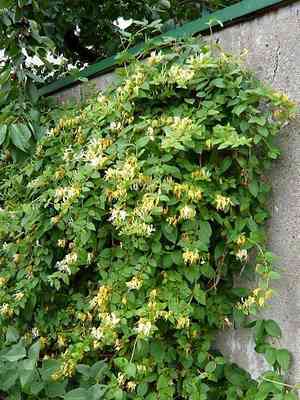
Japanese honeysuckle is a robust plant known for its climbing and trailing habits, making it a popular choice for garden landscapes. Native to parts of Asia, this tough vine has shown its resilience by thriving in various climates. Despite its hardiness, providing optimal care during colder months is vital. While Japanese honeysuckle is generally considered frost-hardy, meaning it can endure low temperatures, extreme conditions can still cause harm. Understanding its frost hardiness is the first step to ensuring its year-round vitality.
How to Protect Japanese honeysuckle from Frost
Mulching
Mulching is one of the most effective ways to safeguard your Japanese honeysuckle during winter. By applying a thick layer (approximately 5-10 cm or 2-4 inches) of organic mulch around the plant's base, you can help insulate the root system from freezing temperatures. Materials like straw, wood chips, or compost are excellent choices for mulch. Besides protecting the roots, mulching also helps maintain soil moisture and prevent erosion.
Pruning Techniques
Pruning your Japanese honeysuckle before winter serves two main purposes: it encourages healthy growth and makes the plant more manageable for winter protection. Begin by removing any dead or diseased branches, as these can become entry points for pests and diseases. Then, trim back the plant to reduce its size, which will make it easier to cover and protect from frost. Be sure to use clean, sharp tools to avoid causing unnecessary stress to the plant.
Covering and Wrapping
Covering your Japanese honeysuckle is another effective strategy to protect it from frost. You can use breathable fabric covers or burlap to wrap the plant, ensuring it is well-covered but still has some airflow to prevent mold and mildew. Securing the wraps with ties or stakes can help keep them in place during windy conditions. For added protection, consider creating a temporary frame around the plant and covering it with plastic sheeting, thus creating a mini-greenhouse effect.
What to Do After Frost Has Passed
Removing Mulch
Once the danger of frost has passed and temperatures begin to stabilize, it's time to remove the mulch. This should be done carefully to avoid disturbing new growth. Removing the mulch will also help prevent any fungal diseases that thrive in damp, mulched environments. Store the mulch for future use or repurpose it in other areas of your garden.
Assessing Frost Damage
After winter, inspect your Japanese honeysuckle for any signs of frost damage. Look for wilted or blackened leaves and stemsâthese are common indicators of frostbite. Prune away any damaged parts to encourage new growth. It's essential to use sterilized tools to avoid spreading any potential diseases.
Post-Winter Care Tips
As the warmer months approach, continue to care for your Japanese honeysuckle by fertilizing it with a balanced fertilizer to promote vigorous growth. Ensure it gets enough water, especially during dry periods, but avoid waterlogging which can stress the plant. Also, regular pruning during the growing season will help maintain its shape and encourage more flowering. With these care tips, your Japanese honeysuckle will be ready to flourish once again.



