How to Overwinter Edging lobelia
1
Edging lobelia flourishes in colder climates but needs frost protection in winter.
2
Trimming Edging lobelia prior to winter encourages more robust spring regrowth.
3
Regularly check indoor Edging lobelia for pests and diseases to ensure successful winter survival.
Why Overwinter Edging lobelia?
Why Overwinter Edging lobelia?
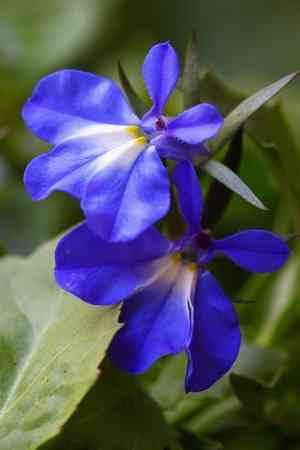
Preserving Edging lobelia through winter is crucial for a vibrant, colorful garden come spring. This cool-season annual, known for its beautiful blue, white, or purple blooms, is somewhat hardy but still requires extra care to survive cold months. By overwintering Edging lobelia, you'll not only save money on new plants but also enjoy a more robust, established plant next growing season.
Step-by-Step Guide to Overwintering Edging lobelia
Step 1: Pruning Edging lobelia
Start by trimming your Edging lobelia. Cut the plant back to approximately 10-15 cm (4-6 inches) above the soil. This helps reduce its energy needs and prevents leggy growth. Regular removal of any dead or damaged leaves during winter will also encourage healthier regrowth in spring.
Step 2: Potting Your Edging lobelia
If your Edging lobelia is planted directly in the ground, carefully excavate the plant, taking care not to excessively disturb its root system. Transfer it into a pot large enough to comfortably hold its roots. Ensure the pot has sufficient drainage holes to prevent waterlogging, which can lead to root rot.
Step 3: Finding the Right Location
Position your potted Edging lobelia in a spot that receives bright, indirect sunlight. A south-facing window or a well-lit room is ideal. The temperature should be cool but not freezing, ideally between 10-15°C (50-59°F). Avoid areas with drafts or significant temperature swings, as these can stress the plant.
Step 4: Watering Needs During Winter
Edging lobelia requires less water during winter compared to its active growth period. Water the plant sparingly, allowing the top 2-3 cm (1 inch) of soil to dry out between waterings. Overwatering can cause root rot and other diseases, so it's vital to keep the soil only slightly moist.
Step 5: Monitoring for Pests and Diseases
Regularly check your Edging lobelia for pests like aphids, spider mites, and whiteflies, which can become more common indoors. Use a gentle insecticidal soap if you notice any infestations. Look for signs of fungal diseases, such as mold or mildew, and remove any affected parts immediately to stop their spread.
Common Problems When Overwintering Edging lobelia
What If My Edging lobelia Starts Wilting?
Wilting in Edging lobelia can indicate overwatering, underwatering, or exposure to drafts. Check the soil moisture level and adjust your watering schedule accordingly. Ensure the plant is not near cold drafts from windows or doors. If the issue persists, consider repotting with fresh soil to address any potential root problems.
How Can I Control Mold Growth?
Mold growth can occur if the plant is too wet or kept in a poorly ventilated area. Ensure your Edging lobelia is in a well-ventilated space and that the soil is adequately moist but not waterlogged. Promptly remove any affected foliage and consider using a fungicide if the problem becomes severe.
How to Transition Edging lobelia Back Outdoors
When to Move Edging lobelia Outside
The optimal time to move your Edging lobelia back outdoors is after the last frost has passed and when daytime temperatures consistently reach at least 10°C (50°F). This typically happens in early spring, around late March to April, depending on your region.
Re-Introducing Edging lobelia to Outdoor Conditions
To acclimate your Edging lobelia to outdoor conditions, begin by placing the plant outside for a few hours daily, gradually increasing the duration over one to two weeks. Choose a sheltered spot that protects the plant from strong winds and initial direct sunlight. After this period, you can plant your Edging lobelia back in its original garden bed or a larger container, ensuring it receives proper care to flourish.



