How to Overwinter Japanese privet
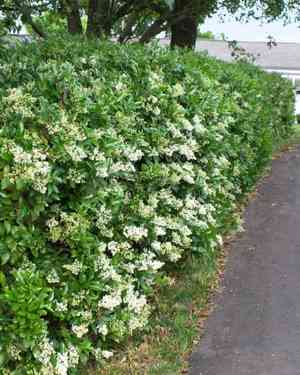
1
Japanese privet tolerates cold, but good winter care promotes stronger spring growth.
2
Trim Japanese privet in late autumn to aid energy retention over colder periods.
3
Mulch is crucial for protecting Japanese privet roots from freezing conditions.
Why is Overwintering Japanese privet Important?
Why is Overwintering Japanese privet Important?
Overwintering is vital for Japanese privet to guarantee its survival and flourishing once warmer weather returns. Although Japanese privet is frost-tolerant, taking additional measures can safeguard it from severe weather, pests, and diseases. Proper overwintering methods enhance the plantâs resilience, allowing it to maintain its vibrant foliage and robust development annually.
Steps to Properly Overwinter Japanese privet
Preparing the Plant for Cold Weather
Start by gradually adapting your Japanese privet to cooler temperatures. This might involve relocating potted plants to a sheltered spot or adjusting the watering schedule. Ensure the plant remains well-hydrated through late autumn to help it manage the winter transition smoothly.
Pruning Tips for Winter
Pruning is crucial to prepare Japanese privet for winter. Trim any damaged or diseased branches to prevent further issues. Focus on shaping the plant and removing any excessive growth that could be susceptible to winter winds. Late fall, just before the initial frost, is ideal for pruning Japanese privet.
Mulching Techniques
Apply a thick layer of mulch around the base of your Japanese privet to insulate its roots. Aim for approximately 5-7 cm (2-3 inches) of organic mulch like bark or straw. This helps regulate soil temperature and retain moisture, providing protection against harsh winter conditions.
Watering Guidelines during Winter
While watering needs decrease during winter, itâs important not to let Japanese privet become too dry. Water the plant thoroughly before the ground freezes, and continue providing occasional water during dry periods. Ensure the roots are moist but not waterlogged to maintain health.
Common Challenges and Solutions When Overwintering Japanese privet
Dealing with Frost Damage
Frost damage can appear as brown or blackened leaves and stems. If you observe these signs, prune the affected areas once new growth begins in spring. To prevent frost damage, use burlap or frost cloths to cover the plant during particularly cold nights.
Protecting from Pest Infestations
Winter can attract pests seeking refuge in garden plants. Inspect your Japanese privet regularly for signs of pests such as aphids or mites. Using a dormant oil spray can help manage these pests by suffocating their eggs and larvae without harming the plant.



