How to Overwinter Perennial pea
1
Perennial peas are resilient and tolerate lower temperatures, yet they still require some winter preparation.
2
Applying mulch can safeguard the plant's root system, offering protection from the cold.
3
Frequent examination of your plants assists in detecting and averting possible winter harm.
Understanding Perennial pea Hardiness
Understanding Perennial pea Hardiness
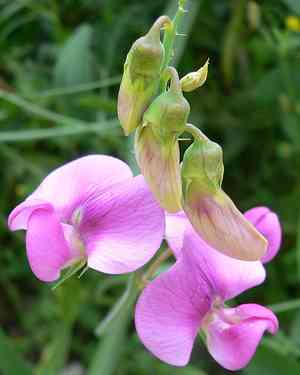
Perennial pea is a robust plant capable of thriving in diverse environments, including colder regions. This vining plant is particularly cherished for its vibrant blooms and resilience. However, despite their tough nature, Perennial peas can benefit from additional care as temperatures decline. Grasping the plant's hardiness is the initial step to ensure they remain healthy and vibrant throughout the winter. Primary concerns include root protection and anticipating frost damage, even though they are typically quite sturdy.
Preparing Perennial pea for Winter
When to Start Preparing
The optimal time to begin readying your Perennial pea for winter is in late autumn, just before the initial frost. It's essential to monitor local weather forecasts, as timing may differ based on your location. Generally, aim to start preparations when nighttime temperatures consistently drop below 10°C (50°F). Early preparations can help the plant gradually adapt to changing conditions.
Soil Preparation and Mulching
Proper soil preparation is crucial for safeguarding the root system of your Perennial pea. Begin by clearing any debris and dead plant material from around the base. Applying a layer of mulch, approximately 5-7.5 cm (2-3 inches) thick, can offer vital insulation against the cold. Materials such as straw, wood chips, or compost are excellent choices. This layer will act as a protective covering, maintaining a more stable soil temperature and preventing the ground from freezing too quickly.
Pruning Techniques
Pruning Perennial peas before winter can help alleviate stress on the plant. Focus on removing any dead or diseased stems and leaves. A light trim can also assist the plant in redirecting energy to its roots, strengthening it for the dormant period. Cut back the vine to about 15-30 cm (6-12 inches) above the ground. This practice not only tidies the plant but also reduces potential habitats for pests and diseases.
How to Protect Perennial pea During Winter
Using Frost Cloths
Frost cloths or plant blankets are invaluable tools for shielding Perennial peas during harsh winter nights. These covers are designed to retain warmth and can be draped over the plants when frost is anticipated. Be sure to secure the edges with rocks or stakes to prevent them from being blown away. Frost cloths can provide your plants with an extra layer of defense against extreme temperature drops.
How to Water Dormant Plants
While Perennial peas are dormant in winter, they still require some moisture. Water your plants sparingly, ensuring the soil remains slightly moist but not waterlogged. Overwatering can lead to root rot, especially when temperatures are low. It's best to water on days when the temperature is above freezing to prevent ice from forming on the roots.
Pest and Disease Prevention
Winter can sometimes lead to pest and disease issues that were not evident in summer. To prevent this, regularly inspect your Perennial peas for signs of trouble. Remove any affected parts immediately and consider using a mild insecticidal soap if pests are detected. Also, ensure good air circulation around the plant by keeping the area free from excessive mulch or debris.
Signs of Healthy Overwintering in Perennial pea
Inspecting for New Growth
As spring approaches, begin checking your Perennial peas for new growth. This is a good indicator that your plant has successfully overwintered. Look for fresh shoots emerging from the soil or new buds forming on the stems. These signs of vitality suggest that your winter preparations were effective.
Checking for Signs of Stress
It's equally important to check for any stress signs as winter concludes. Indicators like discolored leaves, brittle stems, or stunted growth may suggest that the plant has suffered during the cold months. If you notice any of these signs, take action by gradually increasing monitoring of soil moisture and ensuring the plant receives adequate sunlight and nutrients as temperatures warm.



