How to Overwinter Common lantana
1
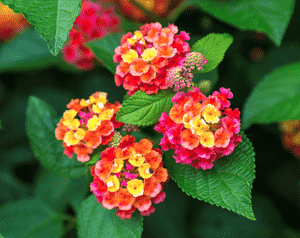
Lantana camara is a delicate plant that requires specific attention in colder seasons to guarantee its survival and continued growth.
2
Winter protection helps you avoid the expense of purchasing new plants annually and preserves established plant development.
3
Lantana camara needs a brightly lit, un-frosted location for effective winter storage.
Why Overwinter Common lantana?
Why Overwinter Common lantana?
Keeping Common lantana through winter can be a rewarding endeavor. First, Common lantana is a tender perennial, meaning it's vulnerable to frost. This plant thrives in warm climates and can struggle during cold winters, making winter protection essential in areas with harsh cold conditions. Furthermore, overwintering allows you to keep mature plants, save money on replacements, and ensure your garden starts strong in spring. Established lantanas also flower more profusely, providing a more vibrant floral display.
Step-by-Step Guide to Overwintering Common lantana
Inspecting and Preparing Plants
Before moving your lantana indoors, thoroughly check it for pests and diseases. Examine the leaves, stems, and soil for any indications of aphids, spider mites, or other common pests. Removing any affected parts and treating the plant with an insecticidal soap can prevent indoor infestations. A healthy beginning is vital for successful overwintering.
Pruning Common lantana
Pruning is a crucial step to manage the plant's size and promote healthy new growth in spring. Cut back about one-third of the plant, focusing on removing any leggy or weak stems. This not only makes the plant more manageable but also helps reduce disease risk. Be sure to use clean, sharp pruning shears for precise cuts.
Choosing the Right Location
Selecting the appropriate indoor spot is critical. Common lantana needs ample light to flourish, so place it in a bright, sunny locationâideally near a south or west-facing window. If natural light is insufficient, consider supplementing with grow lights. Additionally, ensure the chosen area maintains a temperature of approximately 15-21°C (60-70°F). A draft-free spot away from direct heat sources like radiators will keep your lantana comfortable.
Potting and Soil Needs
Common lantana can be overwintered in pots if they are not already in containers. Use a well-draining potting mix to prevent waterlogging. If transplanting from the ground to a pot, choose a container that offers sufficient space for root development. Ensure the pot has drainage holes to avoid water accumulation. The right soil and pot conditions will support healthy root growth throughout the winter months.
Watering and Humidity Control
Maintaining the correct watering schedule is essential for plant health during overwintering. Water your Common lantana sparingly, allowing the topsoil to dry out before rewatering. This helps prevent root rot, which can result from overwatering. Additionally, indoor air can be dry in winter, so maintaining a humidity level of around 40-60% is beneficial. Placing a humidity tray near the plant or using a humidifier can help achieve this.
Monitoring and Maintenance
Regularly check your lantana for any signs of stress or illness throughout the winter. Yellowing leaves or slowed growth can indicate a need for care adjustments. Remove any fallen or dead leaves to prevent mold buildup. Monitoring soil moisture, light exposure, and overall plant health will ensure your lantana remains vigorous and ready to return outdoors in spring.
Common Problems and Solutions During Overwintering
Managing Pests and Diseases
Indoor pests can still threaten your lantana. Regularly inspect for common pests like spider mites and aphids. If found, treat promptly with insecticidal soap or neem oil. Maintaining cleanliness and good airflow around the plant can also help reduce pest issues. Keep a close watch for any signs of disease, such as leaf spots, and act immediately to prevent spread.
Addressing Leaf Drop and Yellowing
Leaf drop and yellowing are common issues when plants move indoors. This can be due to changes in light, temperature, or humidity. Ensure your lantana receives adequate light and the correct amount of water. Occasionally, plants may need some time to adjust to their new environment. If leaf drop continues, re-evaluate your care routine to identify potential stress factors.
Dealing with Overwatering or Underwatering
Balancing water needs is crucial. Overwatering can lead to root rot, while underwatering can cause the plant to become stressed and dehydrated. Use a moisture meter to accurately monitor soil conditions. Aim to keep the soil moderately moist, not saturated. Remember, it's easier to recover from slight underwatering than from overwatering, which can have more severe consequences.



