How to Overwinter Bleeding heart
1
Bleeding heart plants are resilient and can endure freezing conditions if cared for correctly.
2
Winterizing entails appropriate trimming, applying mulch, and modifying irrigation schedules.
3
Bleeding heart plants generally need little indoor attention over the winter months.
Understanding the Needs of Bleeding heart
Understanding the Needs of Bleeding heart
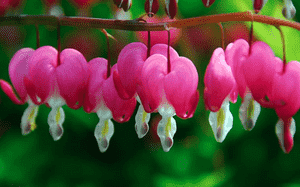
Bleeding heart plants, known for their heart-shaped, drooping flowers, are a favorite among garden lovers. These plants flourish in shaded gardens and moist, well-drained soil. They bloom in spring and early summer, preferring cool, humid conditions. As winter approaches, understanding their requirements becomes vital. Bleeding heart plants are resilient and can withstand cold temperatures, but they still need special care to ensure they emerge healthy and vibrant in the spring.
How to Prepare Bleeding heart for Winter
Trimming and Pruning
As the growing season concludes, it's important to cut back the foliage of your Bleeding heart plant. Trim the stems to approximately 2.5 cm (1 inch) above the ground. This prevents the plant from expending energy on dying leaves and helps reduce the chance of pest infestations. Remember, the foliage will naturally die back in late summer to early fall, so patience is key.
Mulching for Insulation
Mulch serves as a protective layer for your Bleeding heart during the colder months. Apply a thick layer of mulch, about 7.6 to 10.2 cm (3 to 4 inches) over the plant's base after the first hard frost. This insulation helps maintain a consistent soil temperature, shielding the plant's roots from freeze-thaw cycles. Organic materials like straw, wood chips, or shredded leaves are most effective.
Watering Routine Adjustment
Bleeding heart plants require less water as they enter dormancy. Gradually decrease the frequency of watering in the fall. By the time the plant has completely died back, you should cease watering entirely to prevent root rot. It's crucial to ensure your soil is well-drained to avoid any waterlogging during winter.
Common Problems During Overwintering Bleeding heart
Recognizing Frost Damage
Frost damage can still occur despite a plant's hardiness. It's important to watch for signs such as blackened leaves or stems. If you observe these symptoms, do not worry. Cut back the damaged foliage and ensure your plant remains insulated. Adding an extra layer of mulch can provide additional protection.
Pest and Disease Management
Even in dormancy, Bleeding heart plants can fall victim to pests and diseases. Aphids and slugs can be a nuisance. Inspect the plant and surrounding soil regularly. If pests are present, remove them manually or use an organic insecticide. Additionally, ensure adequate air circulation around the plant by not packing mulch too tightly.
Spring Care for Bleeding heart After Winter
Gradual Rehydration
As temperatures begin to rise, it's time to slowly reintroduce water to your Bleeding heart plant. Start with a light watering once the soil feels dry, gradually increasing as the plant begins to show signs of new growth. Be careful not to overwater, as early spring can still pose risks of frost.
Soil and Fertilization
In the early spring, enrich the soil with a balanced, slow-release fertilizer to provide the necessary nutrients for regrowth. A 10-10-10 (N-P-K) fertilizer is a good option. Mix it gently into the soil around the plant's base, taking care not to disturb the roots.
Early-Season Pruning
Pruning in early spring helps to shape your Bleeding heart plant and encourages healthy growth. Remove any dead or damaged stems, and trim away any old foliage. This not only improves the plant's appearance but also aids in better air circulation and reduces the likelihood of disease.



