How to Overwinter Spotted Dead Nettles
1
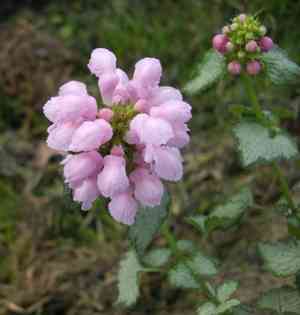
Lamium maculatum 1 are resilient to cold, yet still benefit from winter attention.
2
Applying mulch is crucial for protecting Lamium maculatum 1 roots in colder periods.
3
Regular, careful watering helps avoid root decay in winter.
Is Spotted Dead Nettles Frost Hardy?
Is Spotted Dead Nettles Frost Hardy?
A primary advantage of Spotted Dead Nettles is their resistance to frost. These robust plants can endure low temperatures and even light freezes. Their tough nature makes them a favored option for gardens in various climates, particularly those experiencing colder winters. However, despite their resilience, they still require specific care to ensure their survival throughout the winter months.
Preparing Spotted Dead Nettles for Winter
Trimming and Pruning
Prior to winter's arrival, it's crucial to trim and prune your Spotted Dead Nettles. Removing dead or damaged foliage not only enhances the plant's appearance but also prevents diseases and pests during the colder season. Cut back the leaves to approximately 5-7 cm (2-3 inches) from the ground to promote vigorous regrowth in the spring.
Soil and Mulch Preparation
To safeguard the roots from extreme cold, prepare the soil and apply mulch around your Spotted Dead Nettles. Ensure the soil drains well to prevent waterlogging, which can lead to root rot. Apply a layer of organic mulch, about 5-10 cm (2-4 inches) thick, to insulate the roots and maintain soil moisture. Straw, bark, or compost are excellent mulching materials for this purpose.
Winter Care Tips for Spotted Dead Nettles
Watering Guidelines
While Spotted Dead Nettles are relatively low-maintenance, proper watering is essential during the winter. Water less frequently but ensure the soil does not completely dry out. Typically, watering once every 1-2 weeks in winter should suffice. Overwatering can cause root rot, so always check soil moisture before adding more water.
Protecting from Extreme Conditions
During severe winter conditions, additional protection might be necessary. Use burlap or frost cloths to cover the plants during extreme cold snaps. This will shield them from harsh cold and winds. Ensure the coverings are not too tight, allowing for air circulation to prevent fungal diseases.
Common Winter Issues and Solutions
Dealing with Frost Damage
Frost damage can occur despite the hardiness of Spotted Dead Nettles. If you observe blackened or wilted leaves, remove them to prevent further harm. Allow the plant to recover naturally as temperatures rise.
Pest and Disease Management
Pests and diseases can also be a concern during winter, though less common. Regularly inspect your Spotted Dead Nettles for signs of issues such as mold or pests. If detected, use appropriate organic treatments to manage the problem without harming the plant. Neem oil or insecticidal soaps can be effective against many common pests.
Enhancing Winter Survival
Choosing the Right Location
Location is crucial for the winter survival of your Spotted Dead Nettles. Plant them in a spot that receives partial to full shade and is protected from strong winds. A well-chosen location can reduce the stress these plants experience during colder months.
Companion Planting
Companion planting can also boost the resilience of your Spotted Dead Nettles. Plant them alongside other tough perennials that can offer extra wind protection and help retain soil moisture. Good companions include hostas and ferns, which thrive in similar conditions.



