How to Overwinter Yellow archangel
1
Yellow archangel tolerates cold well, enduring temperatures down to -15°C (5°F).
2
Applying mulch to Yellow archangel aids in insulating its root system and safeguarding it from severe winter weather.
3
Sufficient indoor lighting can promote robust Yellow archangel development throughout the winter season.
Understanding Frost Hardiness of Yellow archangel
Understanding Frost Hardiness of Yellow archangel
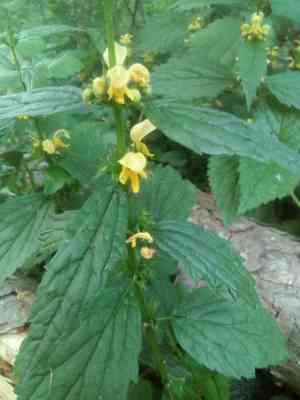
The Yellow archangel (Lamium galeobdolon) is a resilient perennial exhibiting impressive cold tolerance. This plant can endure temperatures as low as -15°C (5°F). However, despite its toughness, it's vital to take preventive steps to ensure the plant stays healthy through colder periods. Your aim should be to safeguard its foliage, stems, and root system from potential frost damage. Knowing its frost resistance will help you devise an effective overwintering plan.
Preparing Yellow archangel for Winter
When to Start Preparation?
Winter preparation should commence in late autumn, ideally before the initial frost. Typically, this occurs around late October or early November, depending on your regional climate. Observing your plant and local weather forecasts can assist in determining the best time to begin.
Necessary Tools and Materials
For winter preparations, gather these items: quality pruning shears, a light but dense mulch (like straw or pine needles), water-resistant covers such as frost cloths, and sometimes stakes to secure the coverings. These tools will help you take the essential actions to shield your Yellow archangel from winter conditions.
Steps to Protect Yellow archangel from Winter Conditions
Pruning Properly
Begin by trimming back Yellow archangel to remove any weak or damaged stems. Proper pruning helps decrease the plant's total surface area exposed to winter elements and minimizes the risk of breakage from heavy snow or ice.
Mulching Techniques
Apply a thick layer of mulch, approximately 7-10 centimeters (3-4 inches), around the plant's base. This layer acts as an insulator, protecting the roots and soil from freezing and thawing cycles. Straw, pine needles, or shredded bark are excellent mulching materials for Yellow archangel.
Watering Requirements
Ensure your Yellow archangel is well-hydrated before the ground freezes. Deep watering in late fall helps protect the plant from winter desiccation. Water the base thoroughly, providing rainfall equivalent to about 2.5-4 centimeters (1-1.5 inches) per week before winter fully sets in.
Can Yellow archangel Thrive Indoors During Winter?
Indoor Environment Setup
Creating a suitable indoor environment is crucial for Yellow archangel. Position the plant in a room with good air circulation, ideally near a window where it can receive indirect sunlight. Ensure the area is free from drafts and sudden temperature changes.
Light and Temperature Needs
Yellow archangel requires bright but indirect sunlight. Aim for about 6-8 hours of light daily. If natural light is insufficient, consider using a grow light. Maintain indoor temperatures between 16-20°C (60-68°F) for optimal growth.
Monitoring Indoor Growth
Regularly check the soil's moisture level and avoid overwatering. Yellow archangel prefers slightly dry conditions, so allow the soil to dry out between waterings. Also, check for pest infestations common indoors, such as spider mites and aphids.
Common Issues When Overwintering Yellow archangel
Pests and Diseases
Winter can bring pests like aphids and spider mites indoors. Regularly inspect leaves for signs of infestation and use insecticidal soap or neem oil as needed. Also, ensure good air circulation to prevent fungal diseases like powdery mildew.
Signs of Stress in Yellow archangel
Look for common stress indicators such as yellowing leaves, wilting, or stunted growth. These signs often point to improper watering, poor lighting, or inadequate temperature control.
Immediate Care Solutions
Addressing issues promptly can save your Yellow archangel. Adjust watering schedules, improve airflow, or modify the lighting setup if you notice stress symptoms. For immediate pest control, gently wash the plant with a mild soap solution or apply horticultural oils.



