How to Overwinter Red hot poker
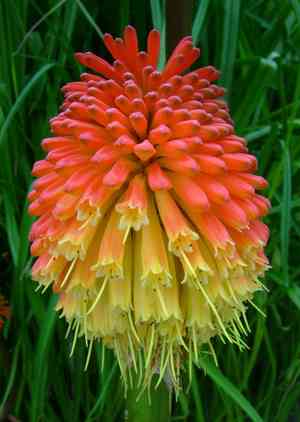
1
Red hot poker plants can withstand frost but need particular attention to flourish during the colder months.
2
Mulching is crucial; spread a 2-3 inch (5-7 cm) layer of organic material to safeguard the root system.
3
Red hot poker needs to be trimmed prior to winter to eliminate faded flower stems and deter illness.
What Are the Needs of Red hot poker During Winter?
What Are the Needs of Red hot poker During Winter?
Winter presents challenges for many plants, and Red hot poker is no different. While these plants are known for their resilience, they still require specific care to survive the colder months unharmed. Key needs include temperature management, moisture regulation, and root protection. By focusing on these areas, you can help ensure your Red hot poker flourishes come spring.
Preparing Red hot poker for Overwintering
Pruning the Plant
Begin by trimming your Red hot poker plants as winter approaches. Cut off spent flower stalks and remove any dead or diseased leaves. This helps prevent pests and diseases from establishing during winter. Pruning also allows the plant to direct its energy towards winter survival instead of maintaining unnecessary growth.
Mulching
Next, apply a thick layer of mulch around the base of your Red hot poker plants. For best results, use organic materials such as straw, wood chips, or compost. A 2-3 inch (5-7 cm) layer of mulch will help insulate the roots and retain moisture, providing additional protection against freezing temperatures.
Watering Appropriately
Proper irrigation is vital during the winter months. Although Red hot poker plants require less water in winter, they should not be completely neglected. Water the soil enough to keep it damp but not waterlogged. Excessive watering can cause root rot, a common problem in colder climates.
Location and Environment for Red hot poker in Winter
Outdoor Considerations
If you reside in an area with mild winters, you can generally leave your Red hot poker plants outdoors. Ensure they are planted in well-draining soil and shielded from strong winds. Some gardeners construct small shelters or windbreaks to further protect the plants. In regions experiencing extreme cold, consider additional protective measures like covering the plants with burlap or frost cloth.
Indoor Considerations for Severe Climates
For those in harsh climates, bringing Red hot poker plants indoors may be the best option. Place the plants in a cool, well-lit area such as a sunroom or greenhouse. If indoor space is limited, consider potted 'Red hot poker' plants so you can easily move them inside during the harshest part of winter.
Common Problems and Solutions for Overwintering Red hot poker
Dealing with Frost Damage
Despite your best efforts, frost damage can sometimes occur. If you observe frost-damaged leaves, trim them back to healthy tissue. This helps prevent disease spread and allows the plant to focus on new growth when the weather warms.
Preventing Root Rot
Root rot poses a serious risk for Red hot poker plants in winter. To prevent it, ensure your plants are in well-draining soil. Avoid overwatering, and utilize mulching techniques to maintain the correct soil moisture level. Lifting and dividing the plants every few years can also improve soil aeration and reduce the risk of rot.
Spring Revival of Red hot poker Plants
Gradual Reintroduction to Outdoor Conditions
When spring arrives, it's time to reintroduce your Red hot poker plants to the outdoor environment. If you've kept them indoors, gradually acclimate them to outdoor conditions by placing them outside for a few hours daily, increasing the duration each day over one to two weeks.
Checking for New Growth and Damage
Inspect your Red hot poker plants for any new growth or winter damage. Remove any dead or damaged foliage to make way for healthy new growth. Look for signs of pests or diseases, and treat them promptly to avoid further issues.
Fertilizing
Spring is also an excellent time to fertilize your Red hot poker plants. Use a balanced, slow-release fertilizer to provide the plants with the nutrients they need for vigorous growth. Avoid over-fertilization, as this can result in weak, leggy plants.



